 Agartala, October 1: Eight citizens were felicitated by the Tripura government on Wednesday for helping road accident victims and facilitating their timely transportation to hospitals under the ‘Rahveer’ Good Samaritan initiative.
Transport Minister Sushanta Chowdhury presented Rs 25,000 and certificates of appreciation to each of the awardees at a function organised at Conference Hall No. 1 of the State Secretariat.
The initiative seeks to encourage people to provide immediate assistance to accident victims and ensure that injured persons receive medical attention without delay, officials said.
Kajal Debnath and Prasenjit Bhowmik were jointly honoured for their efforts. Ashesh Das, Khurshid Mia and Ajit Das of Gomati district were also among those recognised.
Satyajit Kumar Shil and Satya Ranjan Debnath from Dhalai district and Latika Sinha from Unakoti district were the other award recipients.
Officials said the awardees had stepped forward during road accidents, assisted injured persons and helped transport them to healthcare facilities.
Addressing the gathering, Chowdhury urged citizens to extend immediate help whenever they encounter people injured in road accidents.
“After an accident, do not hesitate—help the injured, take them to the hospital, and assist in saving a precious life,” he said.
The minister said the actions of the awardees demonstrated compassion and social responsibility and appreciated them for coming forward at a time when accident victims needed assistance.
He said efforts to improve road safety required cooperation from the public along with the work of government departments, police and traffic enforcement agencies.
Chowdhury also appealed to citizens to follow the spirit of the Rahveer initiative and assist people in distress rather than hesitate at accident sites.
“Let us not say ‘no’ in times of crisis—extend the hand of humanity and stand beside those in need,” he said.
Officials said the initiative was part of the Transport Department’s broader road safety programme, which seeks to involve local communities in emergency response and promote timely assistance to accident victims.
They said taking injured persons to medical facilities at the earliest can be important in emergency situations and may help improve their chances of survival.
The department is also seeking to spread awareness about safeguards available to Good Samaritans who voluntarily assist accident victims, officials said.
They said recognising such citizens could encourage more people to come forward and help injured persons without being deterred by concerns regarding legal or procedural complications.
The programme highlighted the role of citizens as an important part of the immediate response following road accidents.
The Transport Department said continued community participation, together with road safety enforcement and awareness measures, would help strengthen accident response and contribute to saving lives across Tripura.
Agartala, September 30: The Tripura government is planning to expand the state's dairy sector by increasing milk production, strengthening the cooperative network and extending financial and technical support to dairy farmers, Animal Resources Development Minister Sudhangshu Das said on Tuesday.
Addressing the 13th Board Meeting of the Gomati Cooperative Milk Union, Das said the state's existing milk production was inadequate to meet demand and underlined the need for institutional cooperation and technical expertise to bridge the gap.
The meeting was held following a tripartite Memorandum of Understanding (MoU) between the Animal Resources Development Department, Gomati Cooperative Milk Union and the National Dairy Development Board (NDDB).
"Milk is a balanced and essential food, but our local production falls short. With NDDB's support, we can expand production, processing, and distribution to ensure affordable access for consumers," Das said.
He said the collaboration with NDDB would focus on improving milk production and processing, strengthening marketing and distribution networks and ensuring dairy products were made available to consumers at reasonable prices.
Gomati Cooperative Milk Union Chairman Ratan Ghosh said the board meeting was the first joint meeting with NDDB since the tripartite MoU was signed in the presence of Chief Minister Manik Saha.
Ghosh said the Union has set a target of increasing its associated dairy farmer base from 6,642 to 10,000.
The Union will also establish 52 new milk-producing cooperative societies as part of efforts to expand its network and bring more farmers into organised dairy production.
The recently acquired Tridha Dairy at Kamalpur will be integrated into the Union's operations, while a new dairy plant at Bamutia, with a processing capacity of 40,000 litres, is being operationalised, he said.
Ghosh said Gomati Dairy, which began operations in 1982 with a processing capacity of 5,000 litres, has since expanded to 40,000 litres.
The cooperative currently produces four varieties of milk, two types of paneer, ghee, ice cream, packaged drinking water and nearly 75 varieties of sweets.
The Union is reviewing its marketing strategies to improve profitability and ensure better returns for dairy farmers, Ghosh said.
The board also discussed effective implementation of Central and state government schemes for cattle rearers and dairy farmers, besides measures to provide financial and technical assistance at the grassroots level.
NDDB North-East Coordinator Sabyasachi Roy, senior officials of the ARD Department, the Union's Managing Director and Secretary and other board members and officials attended the meeting.
Agartala, September 29: The Tipra Motha on Tuesday demanded the immediate arrest of those allegedly involved in a firing incident that injured one of its candidates during the Village Committee elections in Udaipur, giving the authorities 24 hours to take action.
A nine-member delegation of the party met State Election Commission official Anurag Sen at the Commission's office in Gorkhabasti here and submitted a deputation seeking urgent intervention in the matter.
The delegation included TTAADC Chief Executive Member Runiel Debbarma, MLAs Ranjit Debbarma and Biswajit Koloi, MDCs Suraj Debbarma, Jiten Debbarma and Prathmit Debbarma, besides other party representatives.
Speaking to reporters after the meeting, Ranjit Debbarma said the party approached the Commission as the incident occurred during polling.
"If the attackers are not arrested within 24 hours, the party will announce its next course of action. Since the incident occurred in connection with the elections, we have demanded swift intervention from the Election Commission," he said.
The firing was reported from Warengbari in Gomati district on Monday afternoon. Police said a Tipra Motha candidate was injured after unidentified persons allegedly opened fire. Two other persons were also injured and hospitalised.
Debbarma alleged that the assailants arrived in vehicles and opened fire near the polling station. He questioned the delay in making arrests despite the passage of a day since the incident.
He further claimed that some injured Tipra Motha workers had identified the alleged attackers and provided information to the police, but no arrests had been made.
The party leader said Tipra Motha representatives would visit the affected area and meet local residents to gather details about the incident and the circumstances preceding the violence.
The party also sought immediate steps to restore law and order and prevent similar incidents during the electoral process.
Debbarma said police personnel were injured in subsequent clashes and described the violence as "highly undesirable" during an election.
Reports said Gomati Superintendent of Police Anirban Das was injured in stone-pelting during a clash near the Gamaria strong room, while the official vehicle of Udaipur SDPO Debanjali Roy was allegedly vandalised.
The delegation also stressed the need for adequate security at polling stations and protection of candidates, voters, polling personnel and political workers.
The TTAADC Village Committee elections were held on Monday after nearly a decade. Polling was largely peaceful across most areas, though isolated incidents of violence were reported.
The allegations raised by Tipra Motha are subject to investigation by the police and election authorities.
Agartala, September 29: BJP and CPI(M) leaders in Tripura on Tuesday visited hospitals to meet workers and candidates injured in violence during Monday’s Village Committee elections, with the rival parties seeking investigations into the incidents and making allegations against each other.
Tripura BJP president and MLA Abhishek Debroy visited GBP Hospital here and met party workers undergoing treatment. He interacted with the injured and their family members and assured them of necessary assistance.
Debroy described the incident as “deeply shocking” and called for an impartial probe.
He said the BJP had instructed its workers to ensure peaceful polling and claimed that voting remained largely peaceful across the state, barring isolated incidents.
“This was a sudden attack, a conspiracy. The police are investigating, and the truth will come out,” Debroy told reporters.
He said one of the injured youths belonged to his constituency and expressed concern over his condition.
“He is a good boy, my own constituency’s son. I was so distressed last night that I couldn’t sleep,” he said.
Debroy assured the youth’s family that he would provide all possible assistance in his capacity as the MLA.
Meanwhile, Leader of Opposition and CPI(M) state secretary Jitendra Chaudhury visited Gomati District Hospital and met an injured Tipra Motha candidate and other workers.
Chaudhury alleged that 10–12 vehicles carrying people from outside the area had reached the Surma polling centre and claimed that their presence was intended to influence the election.
He said local residents resisted the move, following which violence broke out. According to Chaudhury, a candidate was shot and two others were injured.
Police reports separately said a Tipra Motha candidate was injured in firing in Warengbari under R K Pur police station in Gomati district. Two other party supporters were also injured in the incident, while efforts were underway to identify those responsible. (The Times of India)
Chaudhury also referred to videos circulating on social media, claiming they showed BJP supporters attempting to enter polling areas and cast fraudulent votes. He demanded a thorough investigation into the allegations.
He further alleged that a confrontation took place near a strong room when supporters of different parties sought to monitor the movement of ballot boxes and that police personnel were attacked while intervening.
The CPI(M) leader, however, praised voters for turning out despite the incidents, saying their participation reflected their commitment to the electoral process.
“The enthusiasm among people to cast their votes, even after such incidents, shows their strong commitment to democracy,” Chaudhury said.
Officials said polling was largely peaceful in most areas, although isolated incidents were reported in Gomati district. More than 80 per cent of the 6.65 lakh eligible voters reportedly cast their ballots. (Tripura India)
The elections, held after nearly a decade, saw the BJP, CPI(M), Congress, Tipra Motha and other parties in the contest. The incidents have brought renewed focus on security arrangements and the need to examine the allegations surrounding the polling.
Agartala, September 28: The CPI(M) on Monday alleged irregularities during polling for the Village Committee elections under the Tripura Tribal Areas Autonomous District Council (TTAADC), claiming that polling agents of opposition candidates were obstructed at some polling stations and that reports of bogus voting had emerged from several areas.
Former TTAADC Chief Executive Member and senior CPI(M) leader Radhacharan Debbarma alleged that polling agents representing opposition candidates were prevented from entering polling stations in parts of West Tripura district, including Jirania and Mandai, as well as in some areas of Sepahijala district.
Debbarma also alleged that opposition candidates had faced difficulties during the nomination process and were denied the opportunity to file their papers in certain constituencies. He further raised concerns over “chappa” or bogus voting, claiming that reports of such malpractice had surfaced at different polling stations during the early hours of voting.
The CPI(M) leader, however, said polling in several other areas was proceeding without major disruption by around 10.30 am.
The allegations could not be independently verified immediately. No official confirmation or denial regarding the specific incidents cited by the CPI(M) was immediately available.
Polling for the Village Committee elections began on Monday across the TTAADC areas, with voting being conducted through ballot papers. The election covers 587 Village Committees, 2,634 constituencies and 4,597 seats. After nominations and withdrawals, polling is being held for 2,950 seats, while the remaining seats have been filled unopposed. Nearly 9.62 lakh voters are eligible to cast their ballots.
The elections are being conducted across 52 blocks and are taking place after a gap of about a decade. The previous Village Committee elections were held in 2016, while the elected committees completed their tenure in March 2021. The subsequent election process was delayed amid the COVID-19 pandemic and legal complications.
Security arrangements have been strengthened across the polling areas, with central and state forces deployed to maintain law and order and facilitate peaceful voting.
The allegations have brought renewed focus on the conduct of polling, access of candidates and polling agents to booths, and the handling of complaints by election authorities.
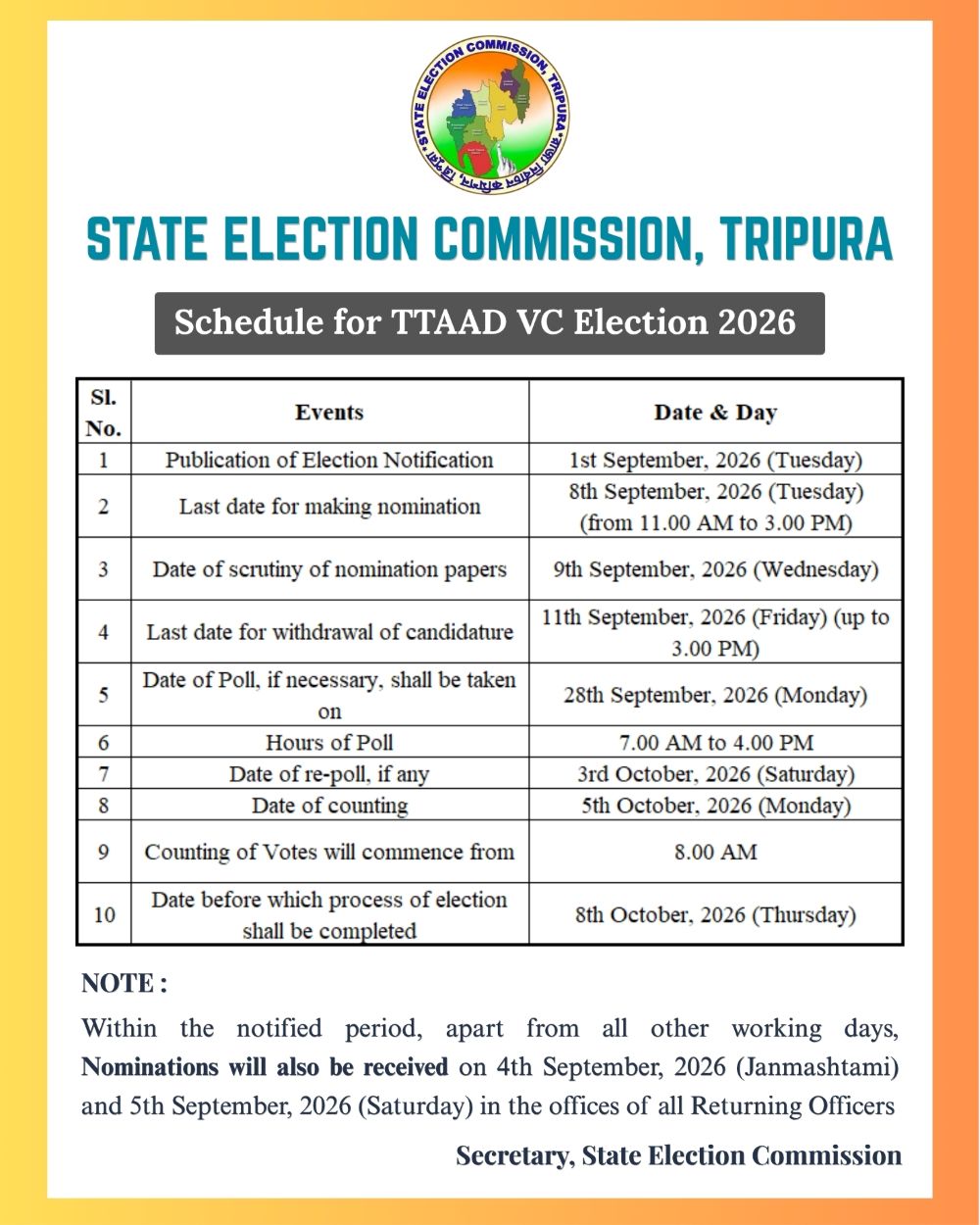
Polling is scheduled from 7 am to 4 pm on Monday. If required, repolling will be held on October 3, while counting of votes is scheduled for October 5. The entire election process is expected to be completed by October 8.
Agartala, September 27: Tripura Chief Minister Manik Saha on Sunday said his government was focusing on developing tourism as a source of economic growth and employment, with efforts underway to improve infrastructure, upgrade tourist facilities and involve local communities in the sector.
Saha made the remarks on World Tourism Day after attending a live listening programme of Prime Minister Narendra Modi’s 138th episode of Mann Ki Baat at Baishnabtilla Community Hall near Amtali bypass here.
Highlighting Tripura’s natural and cultural wealth, Saha said the state possessed several attractions that could draw more visitors and generate economic opportunities.
He said the government had undertaken development and renovation works at temples, heritage sites and tourist destinations across Tripura, while steps were also being taken to improve facilities for visitors.
“Following the path shown by Prime Minister Narendra Modi, we have developed and renovated various temples and heritage sites in Tripura. We are seeing the impact through an increase in tourist footfall,” Saha said.
The chief minister said growth in tourist arrivals could benefit several segments of the economy and contribute to higher Gross State Domestic Product (GSDP), besides creating employment and livelihood opportunities.
“Tourism has a major contribution to the economy, including revenue generation through GSDP and other sources. In many countries and regions, tourism has become a strong economic driver,” he said.
Saha said the government was also paying attention to the economic participation of people living in and around tourist destinations.
He said local residents could benefit from tourism-related activities if they were provided with adequate training and skills. Skill development programmes were consequently being promoted to enable people to take up employment and other livelihood opportunities associated with tourism, he said.
The chief minister also stressed that peace and stability were important for sustained development of the tourism sector. He said economic and social progress required a peaceful environment that could support continued tourist movement.
Saha said Tripura was currently ranked second among the northeastern states in terms of GSDP.
He attended the Mann Ki Baat programme organised by the Badharghat Mandal of the BJP along with BJP MLA Mina Rani Sarkar and senior party leaders.
In a post on X marking World Tourism Day, Saha highlighted Tripura’s natural beauty, heritage and cultural traditions and referred to Neermahal and Jampui Hills as destinations with considerable tourism appeal.
He urged greater promotion of Tripura’s tourist attractions and encouraged visitors to explore the state’s diverse offerings.
Agartala, September 27: The CPI(M) on Sunday alleged that the convoy of former Tripura chief minister Manik Sarkar was obstructed for nearly 40 minutes in Bamutia and claimed that an escort vehicle was damaged during the incident.
The incident occurred at Kalibazar around 10 am when Sarkar was travelling to attend a party organisational conference in Bamutia, according to CPI(M) leaders.
The party alleged that a group of people blocked the road, bringing the convoy to a halt. It further claimed that one of the vehicles accompanying Sarkar was vandalised during the incident.
CPI(M) leaders alleged that the people involved in the blockade had the backing of the BJP. The allegations could not be independently verified.
According to the party, CPI(M) supporters, including members of its youth wing, reached the location after the convoy was stopped. The situation remained tense for some time before the group allegedly responsible for the road blockade dispersed.
Sarkar subsequently continued towards Bamutia and attended the scheduled organisational conference, where he addressed party workers, the CPI(M) said.
The opposition party condemned the incident and alleged that the obstruction was intended to interfere with its organisational activities ahead of the Village Committee elections.
The incident comes a day before polling for Village Committees under the Tripura Tribal Areas Autonomous District Council (TTAADC). Political parties have stepped up campaigning, meetings and organisational programmes in the council areas ahead of Monday’s polling.
The CPI(M) has previously raised allegations of political intimidation and violence during the election process and called for stronger security arrangements. The ruling alliance has rejected the allegations.
The party said the latest incident highlighted the need for authorities to ensure adequate security for political leaders, candidates and workers during the elections.
It also urged the administration to ensure that political parties could conduct their meetings and election-related activities without obstruction.
Sarkar, who served as Tripura chief minister for more than two decades, continues to participate in CPI(M) organisational programmes and election-related activities in the state.
There was no immediate official response from the police or district administration regarding the alleged incident. It was also not immediately clear whether a formal complaint had been filed over the alleged damage to the escort vehicle.
The CPI(M) said it would raise the matter with the authorities and seek action over the alleged obstruction and vandalism.
Agartala, September 27: Polling teams carrying ballot papers, ballot boxes and other election materials were dispatched to polling stations across Tripura on Sunday, a day ahead of the Village Committee elections under the Tripura Tribal Areas Autonomous District Council (TTAADC).
The movement of polling personnel and security forces was reported from different parts of the state as the administration completed preparations for Monday’s voting.
In Dhalai district, polling teams from the Ambassa RD Block dispatch centre began moving towards 41 polling stations from around 8 am.
Officials said polling personnel had been instructed to reach their respective stations within the stipulated time and complete all arrangements ahead of the commencement of polling.
Returning Officer and BDO Barnita Biswas said adequate arrangements had been made for the movement and security of polling personnel.
“Our priority is to ensure that all polling personnel reach their stations safely and that the polling process is conducted peacefully,” Biswas told reporters.
She appealed to voters to come to polling stations without apprehension and exercise their franchise while maintaining peace and discipline.
The Village Committee elections are being held after a gap of 10 years, with voters in the ADC areas set to elect representatives to the village-level bodies.
The elections will be conducted using ballot papers instead of electronic voting machines. The paper-ballot system will also be used by young and first-time voters participating in the polls.
Election officials transported ballot papers, ballot boxes and other polling materials to the designated stations as part of the final preparations. Security personnel have been deployed at polling stations and along routes used by polling teams.
Officials were monitoring the movement of polling personnel and election materials to ensure that all stations are ready before voting begins.
The elections follow an extensive campaign period in the TTAADC areas, during which political parties and candidates held meetings, organisational programmes and other campaign activities.
Authorities have appealed to voters, candidates and political workers to cooperate with election officials and maintain peace during the polling process.
With voting scheduled to begin on Monday, the administration is now focused on ensuring the availability of election materials, the presence of polling personnel and security arrangements at all stations.
The dispatch of polling teams marked a key final step in the preparations for the elections, which are being held after a decade-long gap in the ADC areas.
Agartala, September 26:
The pace of 5G expansion and weak mobile connectivity in Tripura’s border areas came under scrutiny at a Telecom Advisory Committee (TAC) meeting on Friday, with West Tripura Lok Sabha MP Biplab Kumar Deb urging BSNL to strengthen its network infrastructure across the state.
Deb raised the issues during the TAC meeting at BSNL headquarters in Kaman Chowmuhani, Agartala, where he reviewed various concerns related to telecom services, including infrastructure, network expansion, customer service and employment generation.
He said BSNL’s connectivity in border regions needs particular attention, citing gaps in domestic mobile coverage in several stretches. According to Deb, Indian SIM cards fail to provide service for nearly 10 kilometres in some border areas, while signals from Bangladesh-based mobile networks reportedly extend up to 15 kilometres inside Indian territory.
The MP said such gaps can leave residents of border villages without dependable communication facilities. He also pointed to the requirements of security agencies working in sensitive areas, stressing that stronger domestic telecom networks are necessary to support communication and investigative activities.
Deb urged BSNL to expand the number of telecom towers along the international border. He said improved coverage would benefit local communities and enable security agencies to access call records and other relevant telecom data when required during investigations.
He said Tripura’s long international boundary and challenging terrain made it necessary to give greater priority to telecom infrastructure in remote and vulnerable locations.
The MP also reviewed the status of issues raised in earlier TAC meetings. Infrastructure development, customer service, employment generation and network expansion were among the matters discussed. Deb said the meeting would help identify pending issues and determine which ones require further intervention at the central government level.
On 5G services, Deb acknowledged the expansion of BSNL’s 4G network across Tripura but questioned whether the rollout of the next-generation service was progressing at the required pace.
He said the speed and geographical reach of 5G services remained a concern and sought an explanation from BSNL officials on the reasons for the slower-than-expected expansion. He said the matter would be formally taken up to ascertain the current status of 5G deployment and the measures being planned to improve coverage.
Deb also referred to the earlier restrictions on international roaming in parts of the Northeast, which had been introduced amid insurgency-related concerns. He said the restrictions were eventually lifted, although the process took time, and the situation has since improved.
Rajya Sabha MP Rajib Bhattacharjee and senior BSNL officials attended the TAC meeting, which also discussed existing infrastructure shortcomings and possible measures to improve telecom services in Tripura.
The discussions brought renewed attention to the communication challenges faced by people in the state’s border and hilly regions. Deb said stronger telecom infrastructure is needed to improve connectivity for residents while addressing the communication requirements of strategically sensitive areas.
Agartala, September 26: Every year, the approach of Durga Puja brings a surge of activity to Kalyanpur’s idol-making workshops. But for artisans like Bhuban Rudrapal, the festive season is no longer simply a period of increased work. It is also a test of whether traditional idol-making can remain financially sustainable.
Rudrapal, a resident of Kalyanpur Bazar Colony, has been making clay idols for nearly 20 years. His entry into the profession came from necessity rather than choice, after he found that selling fish was not generating enough income to support his family.
In those days, Rudrapal would travel through tribal-dominated areas of Tripura to sell fish. While continuing with the trade, he learned the art of making clay idols from his brother-in-law. The skill gradually developed into a profession, and he eventually left fish vending behind.
“I learned the craft of making idols from clay from my brother-in-law while continuing to sell fish. Later, I left fish vending and took up idol-making full-time. I would make idols at home according to my own designs,” Rudrapal said.
Over the years, his craftsmanship earned him customers in Kalyanpur and nearby areas. His workshop has produced idols of Manasa, Kali, Vishwakarma, Loknath, Bipadnashini, Durga and Lakshmi, among others.
For a traditional idol maker, however, the festive season comes with considerable expenses. The prices of clay, straw, bamboo and paint have risen, while labour costs have also increased. The scarcity of skilled workers has added to the problem, making it difficult for artisans to expand production even when orders increase.
“Compared to earlier, the cost of raw materials has increased significantly. Labour expenses have also gone up. The biggest problem is that it has become difficult to find skilled workers. After meeting all the expenses, there is very little profit left from making an idol,” he said.
The sector also continues to bear the effects of the COVID-19 pandemic. Restrictions on religious celebrations during the pandemic caused a sharp decline in Puja-related activities and reduced demand for idols, affecting artisans who rely heavily on seasonal orders.
Rudrapal said government intervention could provide some relief to traditional artisans. He said easier access to raw materials, financial assistance, skilled manpower and marketing opportunities would help the sector deal with its current difficulties.
This year's Durga Puja, meanwhile, has brought a fresh round of work to his workshop. Rudrapal has received orders for Maa Durga idols from various parts of Kalyanpur, including tribal-dominated areas.
With deadlines approaching, he is working for long hours to complete the idols and ensure they reach their destinations before the festivities begin.
Rudrapal said the craft demands years of experience and considerable effort, but the financial returns no longer match the rising cost of production. He also worries that the difficulties could discourage younger people from entering the profession.
He believes that affordable raw materials, financial assistance, training programmes and better market linkages could provide traditional artisans with more stable livelihoods while helping pass the craft on to future generations.
For now, Rudrapal remains focused on his work. Surrounded by clay, straw and bamboo, he continues to shape idols for the coming Puja, carrying forward a traditional craft while confronting the economic realities of the present day.
Agartala, September 25: The Traffic Police has identified several key stretches in Agartala for intensified monitoring during Durga Puja as the city prepares for a rise in vehicular and pedestrian movement, Traffic SP Kanta Jangir said on Friday.
Nagerjala Bridge, City Centre and Orient Chowmuhani have been identified as potential congestion points, with traffic personnel to regulate vehicle movement based on road conditions and the volume of traffic, Jangir said.
Speaking at a press conference at Traffic Bhavan in the AD Nagar police line, she said the department was putting additional surveillance and enforcement measures in place for the festive period.
No-entry restrictions will remain in force in Agartala from 5 pm to 1 am during the Puja days, she said.
The Traffic Police will also intensify action against unauthorised parking in busy commercial areas, violations of one-way and no-entry rules and prolonged parking of heavy vehicles on roads.
Jangir said officials had interacted with traders, market committees and residents of Maharajganj Bazar to examine recurring congestion and discuss possible measures to improve traffic management.
She urged motorists to follow traffic regulations and park only in designated areas, while appealing to traders, transport organisations and citizens to cooperate with the authorities during the festival.
Traffic personnel will maintain close coordination and enhanced surveillance at important locations throughout the Puja period, she added.
On Puja passes, Jangir said stricter norms had been introduced following concerns over their misuse. Applicants with pending traffic challans would not be issued passes, she said, adding that the measure was based on directions from Chief Minister Dr Manik Saha.
The department is also working with the Directorate of Information Technology (DIT) to develop a digital system for Puja pass processing, she said.
Jangir said challans issued before April 2026 could be cleared through the e-Challan portal, Virtual Court or the physical court. Challans issued after April 2026 would have to be settled through the Traffic Unit and would not be referred to court, she said.
Preparations are also underway to introduce the Next-Gen Challan system, according to the Traffic SP.
Agartala, September 24: Chief Minister Prof. Dr. Manik Saha on Thursday inaugurated an Urban Polyclinic at AD Nagar and virtually opened new Ayushman Arogya Mandir buildings at five locations, while highlighting the state’s expanding healthcare infrastructure and declining dependence on treatment outside Tripura.
The newly inaugurated Ayushman Arogya Mandir buildings are located at Radhanagar, Dhaleswar, Jagaharimura, Ujan Abhoynagar and Ramakrishna Shivalaya Ashram.
Speaking at the programme, Saha said the government was working to strengthen healthcare facilities at different levels so that residents could access medical services closer to their homes.
He said around 1,110 Ayushman Arogya Mandirs have already been inaugurated across the state. The facilities have expanded the availability of primary healthcare services in both rural and urban areas, he added.
The Chief Minister also pointed to a reduction in the number of patients requiring referrals outside Tripura. He said 555 patients were referred outside the state in 2023, compared with 495 in 2024 and 366 in 2025. In 2026, 161 patients have so far been referred outside the state.
Saha attributed the decline to the strengthening of medical infrastructure and the introduction of advanced treatment facilities within Tripura.
He said the government would continue upgrading the health sector, with attention to both primary healthcare and specialised medical services. The objective, he added, is to develop a more accessible and modern healthcare system capable of meeting people’s needs within the state.
The programme was attended by MP Rajib Bhattacharjee, Agartala Municipal Corporation Mayor Dipak Majumder, MLA Meena Rani Sarkar, West Tripura District Magistrate Dr. Bishal Kumar, West Tripura Chief Medical Officer Shankar Chakraborty, senior Health Department officials, elected representatives and other dignitaries.
Agartala, September 24: Melaghar will host the three-day Neermahal Jal Utsav from October 7 to 9, with cultural performances, traditional sporting events and tourism-focused programmes centred on the historic Neermahal and Rudrasagar Lake.
Panchayat Minister Kishor Barman on Thursday took stock of preparations for the annual festival during a meeting at the Melaghar Municipal Council conference hall. He reviewed the arrangements and asked officials to complete all pending work before the event begins.
The celebrations will include cultural presentations based on Mansamangal, along with boat races, swimming competitions and yoga events, according to the programme planned for the festival.
Barman said the Jal Utsav provides an opportunity to showcase the enduring bond between Rudrasagar Lake and the communities around it. He noted that the lake has long been associated with the region’s livelihoods, folk traditions and cultural practices.
The minister also stressed the tourism potential of Neermahal, describing the historic water palace and Rudrasagar as important attractions for visitors. The festival will use the setting to highlight the area’s architectural heritage, natural landscape and cultural traditions.
Visitors from different parts of Tripura and outside the state are expected to attend the event. The combination of cultural programmes, traditional competitions and the scenic surroundings is likely to form the main draw.
Barman invited people to visit Neermahal with their families and take part in the celebrations while experiencing the natural and cultural heritage of Rudrasagar.
The annual festival has also emerged as a platform for promoting tourism alongside local culture and community involvement, drawing attention to the historical and ecological significance of the Rudrasagar region.
Agartala, September 24: A grand replica-inspired mandap modelled on the historic Somnath Temple is set to become a major attraction at this year’s Durga Puja in Srimantapur under Chandipur constituency of Unakoti district, with the organisers estimating a budget of nearly Rs 70 lakh.
The puja is being organised by the Srimantapur Sanghati Sarbojanin Durga Puja Committee, which has been working on the temple-themed structure for more than a month. Skilled artisans from West Bengal have been engaged for the construction.
According to the organisers, the available space does not permit an exact reproduction of the sprawling Somnath Temple complex. However, the mandap has been designed to recreate its distinctive character and spiritual ambience through detailed craftsmanship.
Social Education and Social Welfare Minister and Chandipur MLA Tinku Roy visited the construction site on Thursday morning and took stock of the preparations. He interacted with members of the organising committee and artisans and reviewed the progress of the mandap.
Roy said preparations were progressing as planned and expressed hope that the mandap would be inaugurated on Shashthi by Chief Minister Dr. Manik Saha, as in previous years.
The five-day festivities will include midday meals and prasad distribution for devotees, along with cultural programmes, decorative lighting and the publication of a Puja magazine.
The Srimantapur Durga Puja has attracted substantial crowds in previous years, and organisers and local residents expect the Somnath-inspired theme to generate additional interest this year.
Residents said the initiative combines religious devotion with artistic creativity and reflects the community’s collective enthusiasm for the annual festival.
Agartala, September 23: Class IX students of PM SHRI South Jumerdhepa High School in Sepahijala district were given practical exposure to agricultural activities through an industrial visit organised as part of the implementation of National Skill Qualification Framework (NSQF)-aligned vocational education in Tripura.
The visit, focused on the Agriculture Trade, enabled the students to observe workplace practices and understand how concepts taught in classrooms are applied in real-world agricultural settings.
According to a press note, the programme was aimed at helping students gain a better understanding of agriculture as a skill-based and employment-oriented sector while familiarising them with practical aspects of vocational learning.
The visit was conducted under the guidance of the school's Vocational Trainer from Valeur Fabtex Pvt. Ltd., the designated Vocational Training Provider (VTP). It was organised under the leadership of Ikram Hossen, State Coordinator of the organisation, in coordination with the school and the School Education Department.
The initiative forms part of the broader Vocationalisation of School Education programme under NSQF, which seeks to integrate skill development with school education and provide students with practical skills linked to employment, industry and career opportunities.
For 2025-26, the Project Approval Board (PAB) of Samagra Shiksha and the PM SHRI Scheme under the Ministry of Education, Government of India, approved NSQF-compliant vocational education in seven sectors for 191 selected government high and higher secondary schools across Tripura.
The approved sectors are IT–ITeS, Electronics, Agriculture, Organised Retail, Power, Automotive and Telecom.
Of the 191 schools, 138 were selected to introduce a first vocational sector, while another 53 schools were to add a second sector where vocational education was already in operation.
The programme is being implemented through Samagra Shiksha and the PM SHRI Scheme under the School Education Department of the Tripura government, with assistance from the designated Vocational Training Provider.
The Agriculture Trade visit allowed students to move beyond textbook-based learning and gain direct exposure to vocational concepts and agricultural practices.
Such field-based activities are intended to strengthen practical knowledge, workplace awareness, communication and problem-solving skills while helping students explore potential career opportunities in the agriculture sector, the press note said.
The initiative reflects the vocational education principle of “Learning by Doing” and is aimed at helping students develop the practical skills, confidence and awareness required for future education and employment.
Agartala, October 1: Eight citizens were felicitated by the Tripura government on Wednesday for helping road accident victims and facilitating their timely transportation to hospitals under the ‘Rahveer’ Good Samaritan initiative.
Transport Minister Sushanta Chowdhury presented Rs 25,000 and certificates of appreciation to each of the awardees at a function organised at Conference Hall No. 1 of the State Secretariat.
The initiative seeks to encourage people to provide immediate assistance to accident victims and ensure that injured persons receive medical attention without delay, officials said.
Kajal Debnath and Prasenjit Bhowmik were jointly honoured for their efforts. Ashesh Das, Khurshid Mia and Ajit Das of Gomati district were also among those recognised.
Satyajit Kumar Shil and Satya Ranjan Debnath from Dhalai district and Latika Sinha from Unakoti district were the other award recipients.
Officials said the awardees had stepped forward during road accidents, assisted injured persons and helped transport them to healthcare facilities.
Addressing the gathering, Chowdhury urged citizens to extend immediate help whenever they encounter people injured in road accidents.
“After an accident, do not hesitate—help the injured, take them to the hospital, and assist in saving a precious life,” he said.
The minister said the actions of the awardees demonstrated compassion and social responsibility and appreciated them for coming forward at a time when accident victims needed assistance.
He said efforts to improve road safety required cooperation from the public along with the work of government departments, police and traffic enforcement agencies.
Chowdhury also appealed to citizens to follow the spirit of the Rahveer initiative and assist people in distress rather than hesitate at accident sites.
“Let us not say ‘no’ in times of crisis—extend the hand of humanity and stand beside those in need,” he said.
Officials said the initiative was part of the Transport Department’s broader road safety programme, which seeks to involve local communities in emergency response and promote timely assistance to accident victims.
They said taking injured persons to medical facilities at the earliest can be important in emergency situations and may help improve their chances of survival.
The department is also seeking to spread awareness about safeguards available to Good Samaritans who voluntarily assist accident victims, officials said.
They said recognising such citizens could encourage more people to come forward and help injured persons without being deterred by concerns regarding legal or procedural complications.
The programme highlighted the role of citizens as an important part of the immediate response following road accidents.
The Transport Department said continued community participation, together with road safety enforcement and awareness measures, would help strengthen accident response and contribute to saving lives across Tripura.
Agartala, September 30: The Tripura government is planning to expand the state's dairy sector by increasing milk production, strengthening the cooperative network and extending financial and technical support to dairy farmers, Animal Resources Development Minister Sudhangshu Das said on Tuesday.
Addressing the 13th Board Meeting of the Gomati Cooperative Milk Union, Das said the state's existing milk production was inadequate to meet demand and underlined the need for institutional cooperation and technical expertise to bridge the gap.
The meeting was held following a tripartite Memorandum of Understanding (MoU) between the Animal Resources Development Department, Gomati Cooperative Milk Union and the National Dairy Development Board (NDDB).
"Milk is a balanced and essential food, but our local production falls short. With NDDB's support, we can expand production, processing, and distribution to ensure affordable access for consumers," Das said.
He said the collaboration with NDDB would focus on improving milk production and processing, strengthening marketing and distribution networks and ensuring dairy products were made available to consumers at reasonable prices.
Gomati Cooperative Milk Union Chairman Ratan Ghosh said the board meeting was the first joint meeting with NDDB since the tripartite MoU was signed in the presence of Chief Minister Manik Saha.
Ghosh said the Union has set a target of increasing its associated dairy farmer base from 6,642 to 10,000.
The Union will also establish 52 new milk-producing cooperative societies as part of efforts to expand its network and bring more farmers into organised dairy production.
The recently acquired Tridha Dairy at Kamalpur will be integrated into the Union's operations, while a new dairy plant at Bamutia, with a processing capacity of 40,000 litres, is being operationalised, he said.
Ghosh said Gomati Dairy, which began operations in 1982 with a processing capacity of 5,000 litres, has since expanded to 40,000 litres.
The cooperative currently produces four varieties of milk, two types of paneer, ghee, ice cream, packaged drinking water and nearly 75 varieties of sweets.
The Union is reviewing its marketing strategies to improve profitability and ensure better returns for dairy farmers, Ghosh said.
The board also discussed effective implementation of Central and state government schemes for cattle rearers and dairy farmers, besides measures to provide financial and technical assistance at the grassroots level.
NDDB North-East Coordinator Sabyasachi Roy, senior officials of the ARD Department, the Union's Managing Director and Secretary and other board members and officials attended the meeting.
Agartala, September 29: The Tipra Motha on Tuesday demanded the immediate arrest of those allegedly involved in a firing incident that injured one of its candidates during the Village Committee elections in Udaipur, giving the authorities 24 hours to take action.
A nine-member delegation of the party met State Election Commission official Anurag Sen at the Commission's office in Gorkhabasti here and submitted a deputation seeking urgent intervention in the matter.
The delegation included TTAADC Chief Executive Member Runiel Debbarma, MLAs Ranjit Debbarma and Biswajit Koloi, MDCs Suraj Debbarma, Jiten Debbarma and Prathmit Debbarma, besides other party representatives.
Speaking to reporters after the meeting, Ranjit Debbarma said the party approached the Commission as the incident occurred during polling.
"If the attackers are not arrested within 24 hours, the party will announce its next course of action. Since the incident occurred in connection with the elections, we have demanded swift intervention from the Election Commission," he said.
The firing was reported from Warengbari in Gomati district on Monday afternoon. Police said a Tipra Motha candidate was injured after unidentified persons allegedly opened fire. Two other persons were also injured and hospitalised.
Debbarma alleged that the assailants arrived in vehicles and opened fire near the polling station. He questioned the delay in making arrests despite the passage of a day since the incident.
He further claimed that some injured Tipra Motha workers had identified the alleged attackers and provided information to the police, but no arrests had been made.
The party leader said Tipra Motha representatives would visit the affected area and meet local residents to gather details about the incident and the circumstances preceding the violence.
The party also sought immediate steps to restore law and order and prevent similar incidents during the electoral process.
Debbarma said police personnel were injured in subsequent clashes and described the violence as "highly undesirable" during an election.
Reports said Gomati Superintendent of Police Anirban Das was injured in stone-pelting during a clash near the Gamaria strong room, while the official vehicle of Udaipur SDPO Debanjali Roy was allegedly vandalised.
The delegation also stressed the need for adequate security at polling stations and protection of candidates, voters, polling personnel and political workers.
The TTAADC Village Committee elections were held on Monday after nearly a decade. Polling was largely peaceful across most areas, though isolated incidents of violence were reported.
The allegations raised by Tipra Motha are subject to investigation by the police and election authorities.
Agartala, September 29: BJP and CPI(M) leaders in Tripura on Tuesday visited hospitals to meet workers and candidates injured in violence during Monday’s Village Committee elections, with the rival parties seeking investigations into the incidents and making allegations against each other.
Tripura BJP president and MLA Abhishek Debroy visited GBP Hospital here and met party workers undergoing treatment. He interacted with the injured and their family members and assured them of necessary assistance.
Debroy described the incident as “deeply shocking” and called for an impartial probe.
He said the BJP had instructed its workers to ensure peaceful polling and claimed that voting remained largely peaceful across the state, barring isolated incidents.
“This was a sudden attack, a conspiracy. The police are investigating, and the truth will come out,” Debroy told reporters.
He said one of the injured youths belonged to his constituency and expressed concern over his condition.
“He is a good boy, my own constituency’s son. I was so distressed last night that I couldn’t sleep,” he said.
Debroy assured the youth’s family that he would provide all possible assistance in his capacity as the MLA.
Meanwhile, Leader of Opposition and CPI(M) state secretary Jitendra Chaudhury visited Gomati District Hospital and met an injured Tipra Motha candidate and other workers.
Chaudhury alleged that 10–12 vehicles carrying people from outside the area had reached the Surma polling centre and claimed that their presence was intended to influence the election.
He said local residents resisted the move, following which violence broke out. According to Chaudhury, a candidate was shot and two others were injured.
Police reports separately said a Tipra Motha candidate was injured in firing in Warengbari under R K Pur police station in Gomati district. Two other party supporters were also injured in the incident, while efforts were underway to identify those responsible. (The Times of India)
Chaudhury also referred to videos circulating on social media, claiming they showed BJP supporters attempting to enter polling areas and cast fraudulent votes. He demanded a thorough investigation into the allegations.
He further alleged that a confrontation took place near a strong room when supporters of different parties sought to monitor the movement of ballot boxes and that police personnel were attacked while intervening.
The CPI(M) leader, however, praised voters for turning out despite the incidents, saying their participation reflected their commitment to the electoral process.
“The enthusiasm among people to cast their votes, even after such incidents, shows their strong commitment to democracy,” Chaudhury said.
Officials said polling was largely peaceful in most areas, although isolated incidents were reported in Gomati district. More than 80 per cent of the 6.65 lakh eligible voters reportedly cast their ballots. (Tripura India)
The elections, held after nearly a decade, saw the BJP, CPI(M), Congress, Tipra Motha and other parties in the contest. The incidents have brought renewed focus on security arrangements and the need to examine the allegations surrounding the polling.
Agartala, September 28: The CPI(M) on Monday alleged irregularities during polling for the Village Committee elections under the Tripura Tribal Areas Autonomous District Council (TTAADC), claiming that polling agents of opposition candidates were obstructed at some polling stations and that reports of bogus voting had emerged from several areas.
Former TTAADC Chief Executive Member and senior CPI(M) leader Radhacharan Debbarma alleged that polling agents representing opposition candidates were prevented from entering polling stations in parts of West Tripura district, including Jirania and Mandai, as well as in some areas of Sepahijala district.
Debbarma also alleged that opposition candidates had faced difficulties during the nomination process and were denied the opportunity to file their papers in certain constituencies. He further raised concerns over “chappa” or bogus voting, claiming that reports of such malpractice had surfaced at different polling stations during the early hours of voting.
The CPI(M) leader, however, said polling in several other areas was proceeding without major disruption by around 10.30 am.
The allegations could not be independently verified immediately. No official confirmation or denial regarding the specific incidents cited by the CPI(M) was immediately available.
Polling for the Village Committee elections began on Monday across the TTAADC areas, with voting being conducted through ballot papers. The election covers 587 Village Committees, 2,634 constituencies and 4,597 seats. After nominations and withdrawals, polling is being held for 2,950 seats, while the remaining seats have been filled unopposed. Nearly 9.62 lakh voters are eligible to cast their ballots.
The elections are being conducted across 52 blocks and are taking place after a gap of about a decade. The previous Village Committee elections were held in 2016, while the elected committees completed their tenure in March 2021. The subsequent election process was delayed amid the COVID-19 pandemic and legal complications.
Security arrangements have been strengthened across the polling areas, with central and state forces deployed to maintain law and order and facilitate peaceful voting.
The allegations have brought renewed focus on the conduct of polling, access of candidates and polling agents to booths, and the handling of complaints by election authorities.
Polling is scheduled from 7 am to 4 pm on Monday. If required, repolling will be held on October 3, while counting of votes is scheduled for October 5. The entire election process is expected to be completed by October 8.
Agartala, September 27: Tripura Chief Minister Manik Saha on Sunday said his government was focusing on developing tourism as a source of economic growth and employment, with efforts underway to improve infrastructure, upgrade tourist facilities and involve local communities in the sector.
Saha made the remarks on World Tourism Day after attending a live listening programme of Prime Minister Narendra Modi’s 138th episode of Mann Ki Baat at Baishnabtilla Community Hall near Amtali bypass here.
Highlighting Tripura’s natural and cultural wealth, Saha said the state possessed several attractions that could draw more visitors and generate economic opportunities.
He said the government had undertaken development and renovation works at temples, heritage sites and tourist destinations across Tripura, while steps were also being taken to improve facilities for visitors.
“Following the path shown by Prime Minister Narendra Modi, we have developed and renovated various temples and heritage sites in Tripura. We are seeing the impact through an increase in tourist footfall,” Saha said.
The chief minister said growth in tourist arrivals could benefit several segments of the economy and contribute to higher Gross State Domestic Product (GSDP), besides creating employment and livelihood opportunities.
“Tourism has a major contribution to the economy, including revenue generation through GSDP and other sources. In many countries and regions, tourism has become a strong economic driver,” he said.
Saha said the government was also paying attention to the economic participation of people living in and around tourist destinations.
He said local residents could benefit from tourism-related activities if they were provided with adequate training and skills. Skill development programmes were consequently being promoted to enable people to take up employment and other livelihood opportunities associated with tourism, he said.
The chief minister also stressed that peace and stability were important for sustained development of the tourism sector. He said economic and social progress required a peaceful environment that could support continued tourist movement.
Saha said Tripura was currently ranked second among the northeastern states in terms of GSDP.
He attended the Mann Ki Baat programme organised by the Badharghat Mandal of the BJP along with BJP MLA Mina Rani Sarkar and senior party leaders.
In a post on X marking World Tourism Day, Saha highlighted Tripura’s natural beauty, heritage and cultural traditions and referred to Neermahal and Jampui Hills as destinations with considerable tourism appeal.
He urged greater promotion of Tripura’s tourist attractions and encouraged visitors to explore the state’s diverse offerings.
Agartala, September 27: The CPI(M) on Sunday alleged that the convoy of former Tripura chief minister Manik Sarkar was obstructed for nearly 40 minutes in Bamutia and claimed that an escort vehicle was damaged during the incident.
The incident occurred at Kalibazar around 10 am when Sarkar was travelling to attend a party organisational conference in Bamutia, according to CPI(M) leaders.
The party alleged that a group of people blocked the road, bringing the convoy to a halt. It further claimed that one of the vehicles accompanying Sarkar was vandalised during the incident.
CPI(M) leaders alleged that the people involved in the blockade had the backing of the BJP. The allegations could not be independently verified.
According to the party, CPI(M) supporters, including members of its youth wing, reached the location after the convoy was stopped. The situation remained tense for some time before the group allegedly responsible for the road blockade dispersed.
Sarkar subsequently continued towards Bamutia and attended the scheduled organisational conference, where he addressed party workers, the CPI(M) said.
The opposition party condemned the incident and alleged that the obstruction was intended to interfere with its organisational activities ahead of the Village Committee elections.
The incident comes a day before polling for Village Committees under the Tripura Tribal Areas Autonomous District Council (TTAADC). Political parties have stepped up campaigning, meetings and organisational programmes in the council areas ahead of Monday’s polling.
The CPI(M) has previously raised allegations of political intimidation and violence during the election process and called for stronger security arrangements. The ruling alliance has rejected the allegations.
The party said the latest incident highlighted the need for authorities to ensure adequate security for political leaders, candidates and workers during the elections.
It also urged the administration to ensure that political parties could conduct their meetings and election-related activities without obstruction.
Sarkar, who served as Tripura chief minister for more than two decades, continues to participate in CPI(M) organisational programmes and election-related activities in the state.
There was no immediate official response from the police or district administration regarding the alleged incident. It was also not immediately clear whether a formal complaint had been filed over the alleged damage to the escort vehicle.
The CPI(M) said it would raise the matter with the authorities and seek action over the alleged obstruction and vandalism.
Agartala, September 27: Polling teams carrying ballot papers, ballot boxes and other election materials were dispatched to polling stations across Tripura on Sunday, a day ahead of the Village Committee elections under the Tripura Tribal Areas Autonomous District Council (TTAADC).
The movement of polling personnel and security forces was reported from different parts of the state as the administration completed preparations for Monday’s voting.
In Dhalai district, polling teams from the Ambassa RD Block dispatch centre began moving towards 41 polling stations from around 8 am.
Officials said polling personnel had been instructed to reach their respective stations within the stipulated time and complete all arrangements ahead of the commencement of polling.
Returning Officer and BDO Barnita Biswas said adequate arrangements had been made for the movement and security of polling personnel.
“Our priority is to ensure that all polling personnel reach their stations safely and that the polling process is conducted peacefully,” Biswas told reporters.
She appealed to voters to come to polling stations without apprehension and exercise their franchise while maintaining peace and discipline.
The Village Committee elections are being held after a gap of 10 years, with voters in the ADC areas set to elect representatives to the village-level bodies.
The elections will be conducted using ballot papers instead of electronic voting machines. The paper-ballot system will also be used by young and first-time voters participating in the polls.
Election officials transported ballot papers, ballot boxes and other polling materials to the designated stations as part of the final preparations. Security personnel have been deployed at polling stations and along routes used by polling teams.
Officials were monitoring the movement of polling personnel and election materials to ensure that all stations are ready before voting begins.
The elections follow an extensive campaign period in the TTAADC areas, during which political parties and candidates held meetings, organisational programmes and other campaign activities.
Authorities have appealed to voters, candidates and political workers to cooperate with election officials and maintain peace during the polling process.
With voting scheduled to begin on Monday, the administration is now focused on ensuring the availability of election materials, the presence of polling personnel and security arrangements at all stations.
The dispatch of polling teams marked a key final step in the preparations for the elections, which are being held after a decade-long gap in the ADC areas.
Agartala, September 26:
The pace of 5G expansion and weak mobile connectivity in Tripura’s border areas came under scrutiny at a Telecom Advisory Committee (TAC) meeting on Friday, with West Tripura Lok Sabha MP Biplab Kumar Deb urging BSNL to strengthen its network infrastructure across the state.
Deb raised the issues during the TAC meeting at BSNL headquarters in Kaman Chowmuhani, Agartala, where he reviewed various concerns related to telecom services, including infrastructure, network expansion, customer service and employment generation.
He said BSNL’s connectivity in border regions needs particular attention, citing gaps in domestic mobile coverage in several stretches. According to Deb, Indian SIM cards fail to provide service for nearly 10 kilometres in some border areas, while signals from Bangladesh-based mobile networks reportedly extend up to 15 kilometres inside Indian territory.
The MP said such gaps can leave residents of border villages without dependable communication facilities. He also pointed to the requirements of security agencies working in sensitive areas, stressing that stronger domestic telecom networks are necessary to support communication and investigative activities.
Deb urged BSNL to expand the number of telecom towers along the international border. He said improved coverage would benefit local communities and enable security agencies to access call records and other relevant telecom data when required during investigations.
He said Tripura’s long international boundary and challenging terrain made it necessary to give greater priority to telecom infrastructure in remote and vulnerable locations.
The MP also reviewed the status of issues raised in earlier TAC meetings. Infrastructure development, customer service, employment generation and network expansion were among the matters discussed. Deb said the meeting would help identify pending issues and determine which ones require further intervention at the central government level.
On 5G services, Deb acknowledged the expansion of BSNL’s 4G network across Tripura but questioned whether the rollout of the next-generation service was progressing at the required pace.
He said the speed and geographical reach of 5G services remained a concern and sought an explanation from BSNL officials on the reasons for the slower-than-expected expansion. He said the matter would be formally taken up to ascertain the current status of 5G deployment and the measures being planned to improve coverage.
Deb also referred to the earlier restrictions on international roaming in parts of the Northeast, which had been introduced amid insurgency-related concerns. He said the restrictions were eventually lifted, although the process took time, and the situation has since improved.
Rajya Sabha MP Rajib Bhattacharjee and senior BSNL officials attended the TAC meeting, which also discussed existing infrastructure shortcomings and possible measures to improve telecom services in Tripura.
The discussions brought renewed attention to the communication challenges faced by people in the state’s border and hilly regions. Deb said stronger telecom infrastructure is needed to improve connectivity for residents while addressing the communication requirements of strategically sensitive areas.
Agartala, September 26: Every year, the approach of Durga Puja brings a surge of activity to Kalyanpur’s idol-making workshops. But for artisans like Bhuban Rudrapal, the festive season is no longer simply a period of increased work. It is also a test of whether traditional idol-making can remain financially sustainable.
Rudrapal, a resident of Kalyanpur Bazar Colony, has been making clay idols for nearly 20 years. His entry into the profession came from necessity rather than choice, after he found that selling fish was not generating enough income to support his family.
In those days, Rudrapal would travel through tribal-dominated areas of Tripura to sell fish. While continuing with the trade, he learned the art of making clay idols from his brother-in-law. The skill gradually developed into a profession, and he eventually left fish vending behind.
“I learned the craft of making idols from clay from my brother-in-law while continuing to sell fish. Later, I left fish vending and took up idol-making full-time. I would make idols at home according to my own designs,” Rudrapal said.
Over the years, his craftsmanship earned him customers in Kalyanpur and nearby areas. His workshop has produced idols of Manasa, Kali, Vishwakarma, Loknath, Bipadnashini, Durga and Lakshmi, among others.
For a traditional idol maker, however, the festive season comes with considerable expenses. The prices of clay, straw, bamboo and paint have risen, while labour costs have also increased. The scarcity of skilled workers has added to the problem, making it difficult for artisans to expand production even when orders increase.
“Compared to earlier, the cost of raw materials has increased significantly. Labour expenses have also gone up. The biggest problem is that it has become difficult to find skilled workers. After meeting all the expenses, there is very little profit left from making an idol,” he said.
The sector also continues to bear the effects of the COVID-19 pandemic. Restrictions on religious celebrations during the pandemic caused a sharp decline in Puja-related activities and reduced demand for idols, affecting artisans who rely heavily on seasonal orders.
Rudrapal said government intervention could provide some relief to traditional artisans. He said easier access to raw materials, financial assistance, skilled manpower and marketing opportunities would help the sector deal with its current difficulties.
This year's Durga Puja, meanwhile, has brought a fresh round of work to his workshop. Rudrapal has received orders for Maa Durga idols from various parts of Kalyanpur, including tribal-dominated areas.
With deadlines approaching, he is working for long hours to complete the idols and ensure they reach their destinations before the festivities begin.
Rudrapal said the craft demands years of experience and considerable effort, but the financial returns no longer match the rising cost of production. He also worries that the difficulties could discourage younger people from entering the profession.
He believes that affordable raw materials, financial assistance, training programmes and better market linkages could provide traditional artisans with more stable livelihoods while helping pass the craft on to future generations.
For now, Rudrapal remains focused on his work. Surrounded by clay, straw and bamboo, he continues to shape idols for the coming Puja, carrying forward a traditional craft while confronting the economic realities of the present day.
Agartala, September 25: The Traffic Police has identified several key stretches in Agartala for intensified monitoring during Durga Puja as the city prepares for a rise in vehicular and pedestrian movement, Traffic SP Kanta Jangir said on Friday.
Nagerjala Bridge, City Centre and Orient Chowmuhani have been identified as potential congestion points, with traffic personnel to regulate vehicle movement based on road conditions and the volume of traffic, Jangir said.
Speaking at a press conference at Traffic Bhavan in the AD Nagar police line, she said the department was putting additional surveillance and enforcement measures in place for the festive period.
No-entry restrictions will remain in force in Agartala from 5 pm to 1 am during the Puja days, she said.
The Traffic Police will also intensify action against unauthorised parking in busy commercial areas, violations of one-way and no-entry rules and prolonged parking of heavy vehicles on roads.
Jangir said officials had interacted with traders, market committees and residents of Maharajganj Bazar to examine recurring congestion and discuss possible measures to improve traffic management.
She urged motorists to follow traffic regulations and park only in designated areas, while appealing to traders, transport organisations and citizens to cooperate with the authorities during the festival.
Traffic personnel will maintain close coordination and enhanced surveillance at important locations throughout the Puja period, she added.
On Puja passes, Jangir said stricter norms had been introduced following concerns over their misuse. Applicants with pending traffic challans would not be issued passes, she said, adding that the measure was based on directions from Chief Minister Dr Manik Saha.
The department is also working with the Directorate of Information Technology (DIT) to develop a digital system for Puja pass processing, she said.
Jangir said challans issued before April 2026 could be cleared through the e-Challan portal, Virtual Court or the physical court. Challans issued after April 2026 would have to be settled through the Traffic Unit and would not be referred to court, she said.
Preparations are also underway to introduce the Next-Gen Challan system, according to the Traffic SP.
Agartala, September 24: Chief Minister Prof. Dr. Manik Saha on Thursday inaugurated an Urban Polyclinic at AD Nagar and virtually opened new Ayushman Arogya Mandir buildings at five locations, while highlighting the state’s expanding healthcare infrastructure and declining dependence on treatment outside Tripura.
The newly inaugurated Ayushman Arogya Mandir buildings are located at Radhanagar, Dhaleswar, Jagaharimura, Ujan Abhoynagar and Ramakrishna Shivalaya Ashram.
Speaking at the programme, Saha said the government was working to strengthen healthcare facilities at different levels so that residents could access medical services closer to their homes.
He said around 1,110 Ayushman Arogya Mandirs have already been inaugurated across the state. The facilities have expanded the availability of primary healthcare services in both rural and urban areas, he added.
The Chief Minister also pointed to a reduction in the number of patients requiring referrals outside Tripura. He said 555 patients were referred outside the state in 2023, compared with 495 in 2024 and 366 in 2025. In 2026, 161 patients have so far been referred outside the state.
Saha attributed the decline to the strengthening of medical infrastructure and the introduction of advanced treatment facilities within Tripura.
He said the government would continue upgrading the health sector, with attention to both primary healthcare and specialised medical services. The objective, he added, is to develop a more accessible and modern healthcare system capable of meeting people’s needs within the state.
The programme was attended by MP Rajib Bhattacharjee, Agartala Municipal Corporation Mayor Dipak Majumder, MLA Meena Rani Sarkar, West Tripura District Magistrate Dr. Bishal Kumar, West Tripura Chief Medical Officer Shankar Chakraborty, senior Health Department officials, elected representatives and other dignitaries.
Agartala, September 24: Melaghar will host the three-day Neermahal Jal Utsav from October 7 to 9, with cultural performances, traditional sporting events and tourism-focused programmes centred on the historic Neermahal and Rudrasagar Lake.
Panchayat Minister Kishor Barman on Thursday took stock of preparations for the annual festival during a meeting at the Melaghar Municipal Council conference hall. He reviewed the arrangements and asked officials to complete all pending work before the event begins.
The celebrations will include cultural presentations based on Mansamangal, along with boat races, swimming competitions and yoga events, according to the programme planned for the festival.
Barman said the Jal Utsav provides an opportunity to showcase the enduring bond between Rudrasagar Lake and the communities around it. He noted that the lake has long been associated with the region’s livelihoods, folk traditions and cultural practices.
The minister also stressed the tourism potential of Neermahal, describing the historic water palace and Rudrasagar as important attractions for visitors. The festival will use the setting to highlight the area’s architectural heritage, natural landscape and cultural traditions.
Visitors from different parts of Tripura and outside the state are expected to attend the event. The combination of cultural programmes, traditional competitions and the scenic surroundings is likely to form the main draw.
Barman invited people to visit Neermahal with their families and take part in the celebrations while experiencing the natural and cultural heritage of Rudrasagar.
The annual festival has also emerged as a platform for promoting tourism alongside local culture and community involvement, drawing attention to the historical and ecological significance of the Rudrasagar region.
Agartala, September 24: A grand replica-inspired mandap modelled on the historic Somnath Temple is set to become a major attraction at this year’s Durga Puja in Srimantapur under Chandipur constituency of Unakoti district, with the organisers estimating a budget of nearly Rs 70 lakh.
The puja is being organised by the Srimantapur Sanghati Sarbojanin Durga Puja Committee, which has been working on the temple-themed structure for more than a month. Skilled artisans from West Bengal have been engaged for the construction.
According to the organisers, the available space does not permit an exact reproduction of the sprawling Somnath Temple complex. However, the mandap has been designed to recreate its distinctive character and spiritual ambience through detailed craftsmanship.
Social Education and Social Welfare Minister and Chandipur MLA Tinku Roy visited the construction site on Thursday morning and took stock of the preparations. He interacted with members of the organising committee and artisans and reviewed the progress of the mandap.
Roy said preparations were progressing as planned and expressed hope that the mandap would be inaugurated on Shashthi by Chief Minister Dr. Manik Saha, as in previous years.
The five-day festivities will include midday meals and prasad distribution for devotees, along with cultural programmes, decorative lighting and the publication of a Puja magazine.
The Srimantapur Durga Puja has attracted substantial crowds in previous years, and organisers and local residents expect the Somnath-inspired theme to generate additional interest this year.
Residents said the initiative combines religious devotion with artistic creativity and reflects the community’s collective enthusiasm for the annual festival.
Agartala, September 23: Class IX students of PM SHRI South Jumerdhepa High School in Sepahijala district were given practical exposure to agricultural activities through an industrial visit organised as part of the implementation of National Skill Qualification Framework (NSQF)-aligned vocational education in Tripura.
The visit, focused on the Agriculture Trade, enabled the students to observe workplace practices and understand how concepts taught in classrooms are applied in real-world agricultural settings.
According to a press note, the programme was aimed at helping students gain a better understanding of agriculture as a skill-based and employment-oriented sector while familiarising them with practical aspects of vocational learning.
The visit was conducted under the guidance of the school's Vocational Trainer from Valeur Fabtex Pvt. Ltd., the designated Vocational Training Provider (VTP). It was organised under the leadership of Ikram Hossen, State Coordinator of the organisation, in coordination with the school and the School Education Department.
The initiative forms part of the broader Vocationalisation of School Education programme under NSQF, which seeks to integrate skill development with school education and provide students with practical skills linked to employment, industry and career opportunities.
For 2025-26, the Project Approval Board (PAB) of Samagra Shiksha and the PM SHRI Scheme under the Ministry of Education, Government of India, approved NSQF-compliant vocational education in seven sectors for 191 selected government high and higher secondary schools across Tripura.
The approved sectors are IT–ITeS, Electronics, Agriculture, Organised Retail, Power, Automotive and Telecom.
Of the 191 schools, 138 were selected to introduce a first vocational sector, while another 53 schools were to add a second sector where vocational education was already in operation.
The programme is being implemented through Samagra Shiksha and the PM SHRI Scheme under the School Education Department of the Tripura government, with assistance from the designated Vocational Training Provider.
The Agriculture Trade visit allowed students to move beyond textbook-based learning and gain direct exposure to vocational concepts and agricultural practices.
Such field-based activities are intended to strengthen practical knowledge, workplace awareness, communication and problem-solving skills while helping students explore potential career opportunities in the agriculture sector, the press note said.
The initiative reflects the vocational education principle of “Learning by Doing” and is aimed at helping students develop the practical skills, confidence and awareness required for future education and employment.
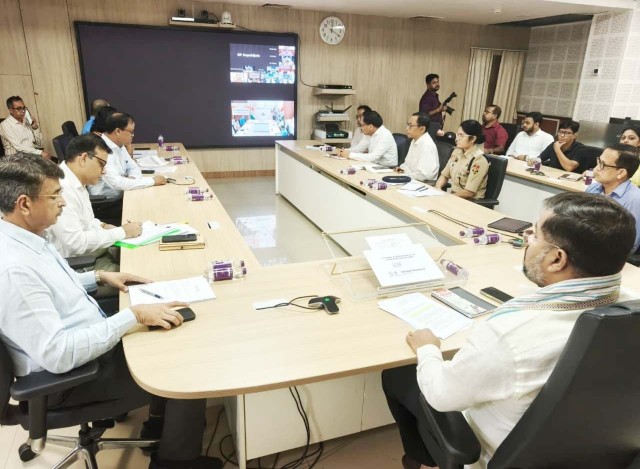
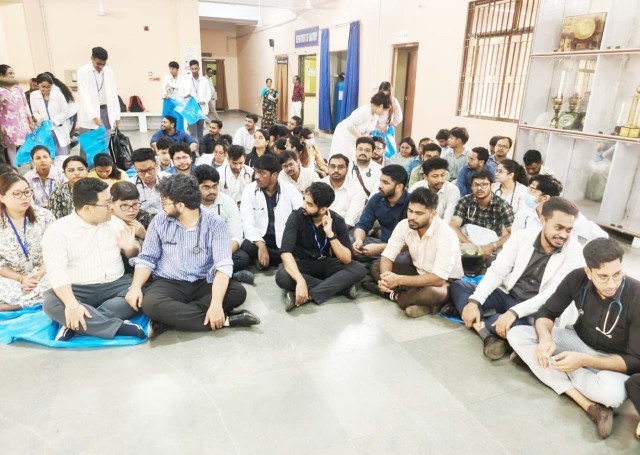
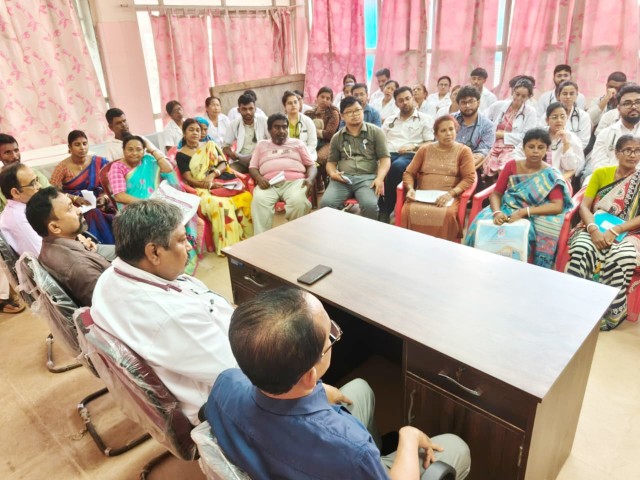
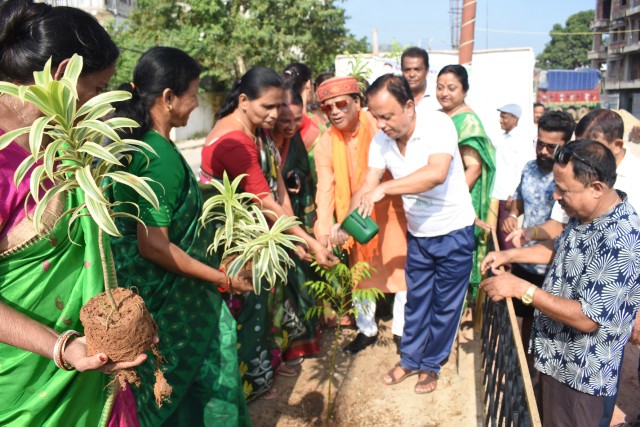
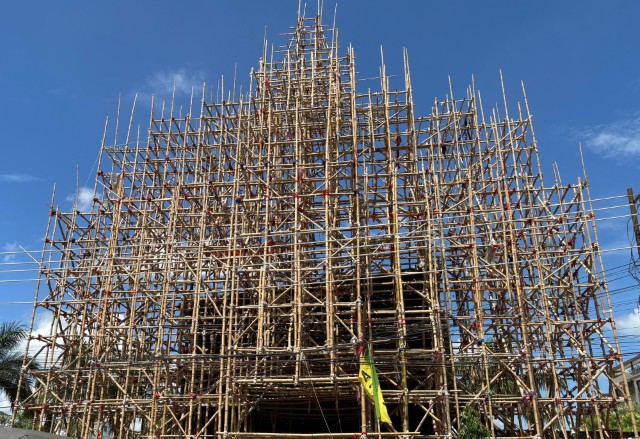
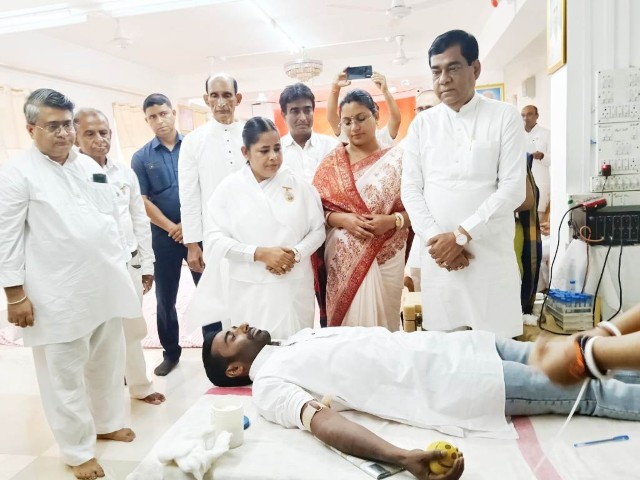
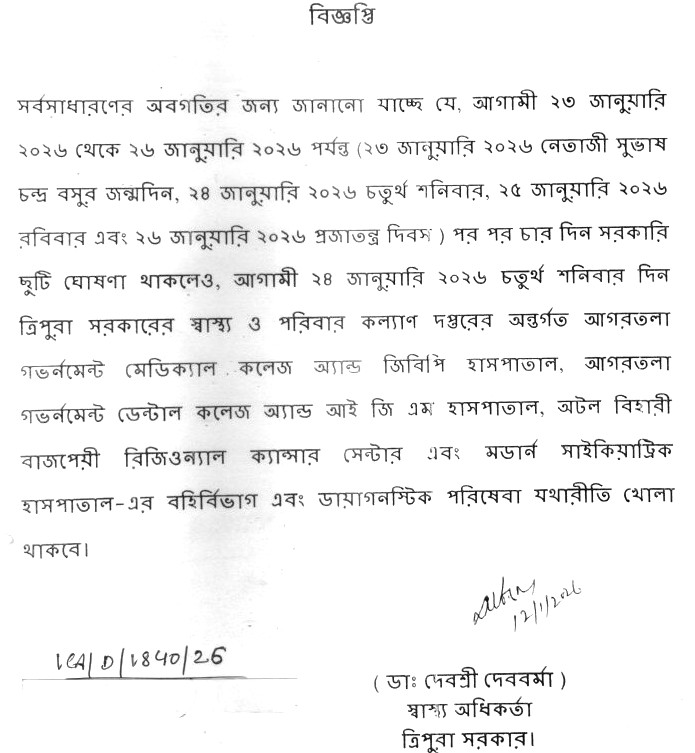
Media has always been the lens through which societies view themselves. It reflects triumphs, failures, aspiration...
Media has always been the lens through which societies view themselves. It reflects triumphs, failures, aspirations, and anxieties. In the 21st century, however, the lens has become a kaleidoscope—fragmented, colorful, and constantly shifting. From handwritten newspapers to algorithm‑driven feeds, the journey of media is a story of human ingenuity and the relentless pursuit of connection.
The Historical Evolution of MediaPrint Era: The invention of the printing press in the 15th century democratized knowledge. Newspapers became the backbone of information exchange, shaping revolutions and reforms.
Radio & Television: The 20th century introduced mass communication. Radio brought voices into homes, while television added visuals, creating shared cultural experiences.
Digital Dawn: The late 20th century saw the internet revolution. Suddenly, information was no longer bound by geography or time.
The Rise of Television and Mass CommunicationTelevision became the dominant medium in the mid‑20th century. It wasn’t just entertainment—it was education, propaganda, and cultural glue. Events like the moon landing or the fall of the Berlin Wall were experienced collectively, shaping global consciousness.
The Digital Revolution: Internet and Social MediaThe internet disrupted traditional media. Blogs, forums, and later social media platforms gave individuals the power to publish instantly. Information became decentralized. Facebook, Twitter (now X), Instagram, and TikTok transformed not only how news spread but also how identities were constructed.
Citizen Journalism and Democratization of InformationSmartphones turned ordinary people into reporters. A protest, a natural disaster, or a political rally could be broadcast live by anyone. This democratization empowered marginalized voices but also blurred the line between professional journalism and opinion.
Challenges: Fake News, Misinformation, and Credibility. The speed of digital media created vulnerabilities.Ethics remain the cornerstone of journalism. Accuracy, fairness, and accountability are more important than ever. Media houses must balance commercial pressures with their duty to inform responsibly.
Case Studies:Media is no longer a passive mirror—it is an active participant in shaping society. The challenge ahead is to harness its power responsibly, ensuring that speed does not compromise truth, and connectivity does not erode credibility.

1. Introduction to the growing role of AI in the medical field
In recent years, we have witnessed remarkable advancements in technology that have revolutionized various industries. One such field that has experienced a significant transformation is healthcare, with the integration of Artificial Intelligence (AI) emerging as a game-changer. AI has swiftly made its way into the medical field, reshaping the way healthcare professionals diagnose, treat, and manage patient care.
2. The current state of AI in healthcare
The current state of AI in healthcare is a fascinating intersection of technology and medicine. Artificial Intelligence has already made significant advancements in various aspects of healthcare, revolutionizing the industry in many ways.
One of the key areas where AI is making a difference is in medical imaging. With the capability to analyze vast amounts of data quickly and accurately, AI algorithms can assist radiologists in detecting abnormalities and making more accurate diagnoses. This not only saves time but also enhances the overall accuracy of diagnostic processes, leading to better patient outcomes.
Another significant application of AI in healthcare is in personalized medicine. By analyzing genomic data, AI algorithms can identify patterns and predict individual responses to specific treatments. This allows for tailored treatment plans, potentially improving the effectiveness of therapies and reducing adverse reactions.
AI is also playing a crucial role in healthcare operations and administrative tasks. From automating appointment scheduling and patient registration to optimizing resource allocation and streamlining workflows, AI systems are helping healthcare organizations improve efficiency and enhance patient experiences.
Moreover, AI-powered chatbots and virtual assistants are being used to provide immediate, personalized responses to patient queries, freeing up healthcare professionals' time and improving access to healthcare information.
However, it is important to note that while AI has great potential, there are challenges to overcome. Ensuring the ethical use of AI, maintaining patient privacy and data security, and addressing biases in algorithms are some of the critical considerations in deploying AI in healthcare.
Nonetheless, the current state of AI in healthcare is already demonstrating its transformative impact. As technology continues to advance, we can expect even more significant breakthroughs in the coming years, leading to improved patient care, enhanced diagnostics, and a revolutionized medical field. The future of healthcare is indeed being shaped by the remarkable capabilities of AI.
3. Key advancements and breakthroughs in AI technology
The field of artificial intelligence (AI) has been rapidly advancing in recent years, and its impact on the medical field is no exception. In 2024, we can expect to see key advancements and breakthroughs in AI technology that will revolutionize healthcare in ways we never thought possible.
One major area where AI is making significant strides is in diagnostics. AI algorithms are being developed and trained to analyze medical images, such as X-rays, MRIs, and CT scans, with incredible accuracy and efficiency. These algorithms can quickly detect abnormalities and potential diseases, providing doctors with valuable insights and enabling them to make more informed decisions for their patients. This not only saves time but also improves the accuracy of diagnoses, leading to better treatment outcomes.
Another key advancement in AI technology is the development of virtual assistants for healthcare professionals. These AI-powered assistants can process vast amounts of patient data, medical records, research papers, and clinical guidelines to provide real-time recommendations and support to doctors and nurses. They can help streamline workflows, assist in decision-making, and even suggest personalized treatment plans based on individual patient data. This integration of AI into healthcare workflows has the potential to enhance patient care, improve efficiency, and reduce the risk of medical errors.
Furthermore, AI is playing a crucial role in drug discovery and development. With the help of machine learning algorithms, scientists can analyze large datasets to identify potential drug targets, predict the efficacy of drug candidates, and even simulate the effects of drugs on virtual models of the human body. This accelerates the drug discovery process, making it more efficient and cost-effective, and ultimately bringing new treatments to patients faster.
In addition to these advancements, AI is also being utilized in remote patient monitoring, predictive analytics, and personalized medicine. The ability of AI systems to continuously monitor patient data, detect early warning signs, and predict disease progression can greatly improve patient outcomes and enable proactive intervention. Moreover, AI algorithms can analyze individual patient characteristics, genetic information, and treatment responses to provide personalized treatment recommendations tailored to each patient's unique needs.
The future of AI in the medical field is incredibly promising. As technology continues to evolve and AI algorithms become more sophisticated, we can expect even greater advancements and breakthroughs in the coming years. These advancements will not only transform the way healthcare is delivered but also have a profound impact on patient care, disease prevention, and overall population health. The future is indeed now, and AI is revolutionizing the medical field in ways we could have only imagined.
4. AI applications in diagnosis and treatment
In recent years, the field of medicine has witnessed a remarkable transformation with the advent of Artificial Intelligence (AI). AI applications have rapidly advanced, revolutionizing the way healthcare professionals diagnose and treat various medical conditions.
One of the most significant impacts of AI in the medical field is its ability to enhance the accuracy and speed of diagnosis. Machine learning algorithms can analyze vast amounts of medical data, including patient records, lab results, and imaging scans, to identify patterns and make accurate predictions. This can help doctors detect diseases at an early stage, leading to more effective treatments and improved patient outcomes.
AI-powered diagnostic tools are also proving to be invaluable in areas such as radiology and pathology. Advanced algorithms can analyze medical images, such as X-rays, MRIs, and CT scans, with incredible precision and efficiency. This not only reduces the workload for radiologists but also minimizes the chances of human error. Additionally, AI algorithms can assist pathologists in detecting and classifying cancer cells, leading to more accurate and timely diagnoses.
Furthermore, AI is revolutionizing treatment strategies by enabling personalized medicine. By analyzing a patient's genetic information and medical history, AI algorithms can identify specific biomarkers and predict individual responses to different treatments. This allows healthcare professionals to tailor treatment plans that are more targeted and effective, improving patient outcomes and reducing unnecessary interventions.
AI is also playing a crucial role in drug development and clinical trials. Machine learning algorithms can analyze vast datasets to identify potential drug candidates and predict their efficacy and side effects. This accelerates the drug discovery process, potentially leading to the development of new treatments for various diseases.
While AI applications in diagnosis and treatment are undoubtedly promising, it is important to note that human expertise and judgment remain essential. AI should be seen as a tool that complements and enhances the capabilities of healthcare professionals, rather than replacing them.
As we move towards the future, it is clear that AI will continue to reshape the medical field. With its ability to analyze complex data, improve diagnostic accuracy, and enable personalized medicine, AI has the potential to revolutionize healthcare and improve patient care in ways we never thought possible.
5. Improving patient care and outcomes through AI
AI has emerged as a transformative force in the medical field, revolutionizing patient care and outcomes in unimaginable ways. With advancements in machine learning algorithms and data analysis techniques, AI has the potential to enhance diagnosis, treatment, and overall healthcare management.
One of the key areas where AI excels is in its ability to analyze vast amounts of medical data and identify patterns that might go unnoticed by human doctors. This capability enables earlier and more accurate detection of diseases, leading to timely interventions and improved patient outcomes. AI-powered diagnostic tools can analyze medical images, such as MRIs and CT scans, with exceptional precision, aiding radiologists in detecting subtle abnormalities that might be overlooked.
Moreover, AI can assist healthcare professionals in developing personalized treatment plans. By analyzing patient data, including genetic information, medical history, and lifestyle factors, AI algorithms can provide valuable insights into the most effective treatment strategies tailored to individual patients. This not only improves the efficacy of treatments but also reduces the risk of adverse reactions and unnecessary procedures.
Additionally, AI-powered monitoring systems can continuously analyze patient data in real-time, alerting healthcare providers to any deviations from expected norms. This proactive approach allows for early intervention and timely adjustments to treatment plans, ultimately improving patient care and preventing complications.
Beyond diagnosis and treatment, AI is also revolutionizing healthcare management and administration. AI-powered chatbots and virtual assistants can handle routine administrative tasks, such as appointment scheduling and answering basic patient inquiries. This automation frees up valuable time for healthcare professionals to focus on more complex and critical aspects of patient care.
However, it is important to note that while AI holds immense promise, it should not replace the human element in healthcare. The role of doctors, nurses, and other healthcare professionals remains crucial in providing compassionate care, interpreting AI-generated insights, and making complex clinical decisions.
As we venture into the future, the integration of AI into the medical field promises to enhance patient care, improve outcomes, and redefine the way healthcare is delivered. By harnessing the power of AI, we can unlock new possibilities, paving the way for a more efficient, precise, and patient-centered healthcare system.
6. Ethical considerations and challenges in AI adoption
As we look ahead to the future of AI in the medical field in 2024, it is crucial to address the ethical considerations and challenges that come with its adoption. While AI has the potential to revolutionize healthcare by improving diagnostics, treatment plans, and patient outcomes, it also presents a unique set of ethical dilemmas.
One of the key concerns is the issue of privacy and data security. With AI systems processing vast amounts of sensitive patient data, it is essential to ensure that robust safeguards are in place to protect patient confidentiality and prevent unauthorized access. Additionally, as AI algorithms evolve and learn from data, there is a risk of bias and discrimination if the training data is not diverse and representative of the population being served.
Another ethical consideration revolves around the transparency and explainability of AI systems. Medical professionals and patients alike need to have a clear understanding of how AI algorithms arrive at their decisions or recommendations. The "black box" nature of some AI models can pose challenges in terms of accountability, trust, and potential legal implications.
Furthermore, there are concerns about the potential impact on human labor and the role of healthcare professionals. While AI can automate certain tasks and streamline processes, it is important to strike a balance between human judgment and AI assistance. The fear of dehumanizing healthcare and losing the human touch in patient care must be addressed.
Lastly, the ethical implications of AI in clinical decision-making and liability need careful consideration. Who is responsible if an AI system makes an incorrect diagnosis or treatment recommendation? Is it the manufacturer, the healthcare provider, or both? Establishing clear guidelines and regulations to address these issues is imperative to ensure patient safety and maintain accountability.
In conclusion, while AI holds immense potential in the medical field, it is crucial to navigate the ethical considerations and challenges it presents. By addressing privacy concerns, ensuring transparency, preserving human involvement, and establishing clear guidelines, we can harness the power of AI while upholding the highest ethical standards in healthcare.
7. The future of AI in medical research and drug discovery
The future of AI in medical research and drug discovery holds immense potential for transforming the healthcare industry. With advancements in artificial intelligence technology, researchers and scientists are able to analyze vast amounts of data and uncover patterns that were previously undetectable. This has the potential to significantly accelerate the process of drug discovery, leading to the development of new and more effective treatments for various diseases and conditions.
AI algorithms can process and analyze medical data, including patient records, genetic information, and scientific literature, to identify potential targets for drug development. By leveraging machine learning and predictive modeling, AI can help researchers identify drug candidates with higher chances of success, saving time and resources in the drug development process.
Moreover, AI can assist in the identification of previously unknown correlations and associations between various genetic markers and diseases. This can lead to a better understanding of the underlying mechanisms of diseases, enabling the development of personalized treatments tailored to individual patients.
In addition to drug discovery, AI can also play a crucial role in clinical trials. By analyzing patient data and monitoring treatment outcomes in real-time, AI algorithms can help identify potential adverse reactions or side effects, leading to safer and more effective clinical trials.
Furthermore, AI-powered virtual assistants and chatbots can enhance patient care by providing personalized healthcare recommendations, answering medical questions, and monitoring patient health remotely. This not only improves access to healthcare but also reduces the burden on healthcare professionals, allowing them to focus on more critical tasks.
While the full potential of AI in the medical field is yet to be realized, it is clear that AI has the ability to revolutionize medical research and drug discovery. By leveraging the power of machine learning and data analysis, researchers and scientists can make significant strides in improving patient outcomes, developing innovative treatments, and ultimately shaping the future of healthcare.
8. AI-driven healthcare management and administration
AI-driven healthcare management and administration is revolutionizing the medical field in ways we could have only dreamed of a few years ago. With advancements in artificial intelligence technology, healthcare providers are now able to streamline and optimize their operations, leading to improved patient care and outcomes.
One major area where AI is making a significant impact is in patient data management. Traditional methods of handling patient records, such as paper-based systems or outdated electronic health records, are often time-consuming and prone to errors. AI-powered systems can automatically collect, organize, and analyze patient data, enabling healthcare professionals to access comprehensive and up-to-date information with just a few clicks. This not only saves time but also reduces the risk of medical errors and improves overall efficiency.
Additionally, AI algorithms can assist healthcare providers in making accurate diagnoses and treatment decisions. By analyzing vast amounts of medical data, including patient symptoms, medical history, and clinical research, AI systems can provide valuable insights and suggest personalized treatment plans. This can help doctors make more informed decisions, leading to better patient outcomes and potentially saving lives.
Furthermore, AI-driven healthcare management tools can optimize resource allocation and workflow processes. From scheduling appointments and managing medical supplies to predicting patient demand and optimizing staffing levels, AI algorithms can analyze data patterns and make informed recommendations for efficient resource utilization. This not only improves the quality of care but also reduces costs and minimizes wait times for patients.
While the integration of AI in healthcare management and administration is still in its early stages, the potential it holds is immense. As the technology continues to evolve, we can expect to see even more advanced AI systems that will further transform the way healthcare is delivered. The future of healthcare is now, and AI is leading the way towards a more efficient, accurate, and patient-centered medical field in 2024 and beyond.
9. The role of AI in personalized medicine and precision healthcare
The field of medicine has always been driven by the goal of providing personalized care to patients. With advancements in technology, particularly in the realm of Artificial Intelligence (AI), the concept of personalized medicine has taken a significant leap forward. In the year 2024, AI is poised to revolutionize the medical field, enabling healthcare professionals to offer precision healthcare like never before.
AI algorithms have the potential to process vast amounts of patient data, including genetic information, medical histories, lifestyle factors, and treatment outcomes. By analyzing this data in real-time, AI can identify patterns, correlations, and predictive insights that may not be apparent to human physicians. This allows for the development of personalized treatment plans tailored to each patient's unique needs and characteristics.
One of the key advantages of AI in personalized medicine is its ability to assist in accurate diagnosis. By analyzing medical imaging data, AI algorithms can quickly and accurately detect abnormalities, such as tumors, at an early stage. This early detection can significantly improve patient outcomes, as it allows for timely interventions and targeted therapies.
Moreover, AI can facilitate the identification of potential drug interactions and adverse reactions based on an individual's genetic makeup and medical history. With this information, healthcare providers can prescribe medications that are more likely to be effective and safe for each patient, minimizing the risk of adverse events.
In addition to diagnosis and treatment, AI has the potential to revolutionize patient monitoring and management. Wearable devices and sensors equipped with AI algorithms can continuously monitor vital signs, detect subtle changes, and alert healthcare providers in real-time. This proactive approach to healthcare enables early intervention and can prevent complications and hospitalizations.
Furthermore, the integration of AI with telemedicine platforms can enhance access to personalized care, especially in remote or underserved areas. Patients can receive expert medical advice and recommendations without the need for physical travel, thereby improving patient outcomes and reducing healthcare costs.
However, it's important to note that while AI holds immense potential, ethical considerations and regulatory frameworks must be in place to ensure patient privacy, data security, and the responsible use of AI algorithms in healthcare. Striking the right balance between innovation and patient safety is crucial in harnessing the full potential of AI in personalized medicine.
In conclusion, AI is set to play a pivotal role in the future of personalized medicine and precision healthcare. By leveraging AI algorithms to analyze patient data, healthcare providers can offer tailored treatment plans, accurate diagnoses, proactive monitoring, and accessible care. As we move further into the future, the impact of AI in the medical field is bound to transform healthcare delivery, ultimately leading to improved patient outcomes and a more efficient healthcare system.
10. Potential benefits and risks of AI in the medical field in 2024
As we delve into the future of the medical field in 2024, it is crucial to examine the potential benefits and risks that artificial intelligence (AI) brings to healthcare. AI has rapidly advanced and is already transforming various aspects of the medical field, offering a promising outlook for improved patient care and outcomes.
One of the most significant benefits of AI in healthcare is its ability to enhance diagnostics and improve accuracy. AI algorithms can analyze vast amounts of medical data, including patient records, lab results, and imaging scans, to identify patterns and detect anomalies that might be missed by human physicians. This can lead to earlier detection of diseases, more precise diagnoses, and personalized treatment plans tailored to each patient's needs.
Moreover, AI-powered technologies can streamline healthcare workflows, reducing administrative burdens and improving efficiency. Automated systems can handle tasks such as appointment scheduling, medical coding, and billing, allowing healthcare professionals to focus more on patient care and spend less time on administrative tasks. This not only enhances productivity but also reduces the risk of human errors and improves overall healthcare delivery.
However, alongside these benefits, it is crucial to acknowledge and address the potential risks associated with AI in the medical field. One major concern is the ethical implications of relying heavily on AI algorithms to make critical decisions about patient care. As these algorithms learn from vast amounts of data, biases present in the data can inadvertently be perpetuated, leading to potential disparities in healthcare outcomes. It is important to ensure transparency, accountability, and ongoing monitoring of AI systems to mitigate these risks and ensure fair and equitable healthcare for all patients.
Another challenge is the potential loss of the human touch in healthcare. While AI can provide valuable insights and support, the compassionate and empathetic care provided by healthcare professionals is irreplaceable. Striking the right balance between AI-assisted care and human interaction is crucial to maintain patient trust and ensure the highest quality of care.
In conclusion, AI holds immense potential for revolutionizing the medical field in 2024 and beyond. The benefits it brings, such as improved diagnostics and increased efficiency, are promising for advancing patient care. However, it is crucial to navigate the associated risks, including ethical considerations and preserving the human element in healthcare. By carefully harnessing the power of AI while upholding ethical standards, we can create a future where AI and human expertise complement each other, ultimately improving healthcare outcomes for patients worldwide.
11. Conclusion: Embracing the transformative potential of AI in healthcare
In conclusion, the transformative potential of AI in the healthcare industry is undeniable. As we look ahead to 2024, it is clear that AI will continue to revolutionize the medical field in ways we can only imagine. From diagnosis and treatment to personalized medicine and patient care, AI has the power to enhance every aspect of healthcare delivery.
By embracing AI technologies, healthcare providers can improve accuracy, efficiency, and patient outcomes. The ability to analyze vast amounts of data in real-time, predict diseases and complications, and assist in decision-making processes can significantly impact the quality and speed of medical interventions.
Moreover, AI can streamline administrative tasks, freeing up valuable time for healthcare professionals to focus on patient care. With AI-powered systems automating routine tasks, doctors and nurses can allocate more time to building relationships with patients, providing personalized care, and addressing complex medical challenges.
However, it is crucial to approach the integration of AI in healthcare with caution. Ethical considerations, data privacy, and security must be at the forefront of any AI implementation strategy. Collaborations between healthcare professionals, AI developers, and policymakers are essential in ensuring that AI technologies are developed and deployed in a responsible and transparent manner.
The future of healthcare is undoubtedly intertwined with the advancements in AI. As we embrace the transformative potential of AI, we must also strive to maintain the human touch in medicine. AI should be seen as a tool to support and enhance the capabilities of healthcare professionals, not replace them.
In conclusion, by harnessing the power of AI, we can unlock new possibilities for medical research, diagnosis, treatment, and patient care. As we enter the era of AI-driven healthcare, let us embrace this technology while upholding the values of compassion, empathy, and human-centric care that define the medical profession. Together, we can shape a future where AI and human expertise work hand in hand to improve the lives of patients worldwide.
In conclusion, the future of the medical field is shaping up to be an exciting and transformative one, thanks to the rapid advancements in artificial intelligence. By 2024, we can expect AI to have a profound impact on various aspects of healthcare, from diagnostics and treatment planning to patient care and administrative tasks. While there may be concerns and challenges associated with the integration of AI, its potential to improve patient outcomes, enhance efficiency, and revolutionize medical research cannot be overlooked. As we move forward, it is crucial for healthcare professionals and organizations to embrace AI technology responsibly and ethically, ensuring that it is utilized to its full potential while prioritizing patient safety and privacy. The future is indeed now, and the possibilities for AI in the medical field are limitless.
The rise of Bollywood and South movies in the global film industry
Introduction: The rise of Bollywood and South movies in the global film industry
The world of cinema has always been diverse, showcasing a wide range of storytelling styles, genres, and cultural influences. In recent years, two film industries have been making waves and capturing the attention of movie enthusiasts around the globe - Bollywood and South movies.
Bollywood, the Hindi-language film industry based in Mumbai, India, has long been synonymous with extravagant song and dance sequences, larger-than-life characters, and captivating storylines. Over the years, Bollywood has gained immense popularity not only within India but also internationally, with its movies finding a dedicated audience in various parts of the world.
On the other hand, the South Indian film industry, comprising the Tamil, Telugu, Malayalam, and Kannada film industries, has been creating its own mark in the cinematic landscape. Known for their unique storytelling approaches, strong performances, and technical brilliance, South movies have been garnering critical acclaim and commercial success both domestically and globally.
In recent years, both Bollywood and South movies have witnessed a significant rise in their global appeal and recognition. Bollywood films such as "Dangal," "Baahubali," and "Padmaavat" have shattered box office records and garnered accolades at international film festivals, earning them a loyal fan base worldwide. Similarly, South movies like "Rangasthalam," "KGF," and "Super Deluxe" have received widespread acclaim for their innovative narratives and stellar performances.
This battle of cinematic titans, Bollywood versus South movies, has been intensifying as both industries aim to captivate audiences with their distinctive styles and narratives. While Bollywood continues to showcase its grandeur and larger-than-life storytelling, South movies offer a refreshing take on storytelling, often focusing on social issues, strong character development, and regional cultural nuances.
In this blog post, we will delve into the exciting world of Bollywood and South movies, exploring their rise in the global film industry, the impact they have had on audiences worldwide, and what the future holds for these two powerhouses of cinema. Join us as we embark on a journey through the captivating realm of Bollywood and South movies, where creativity knows no bounds, and cinematic giants collide.
Brief overview of Bollywood and South Indian cinema
Bollywood and South Indian cinema are two powerhouses in the world of film. Both industries have made significant contributions to the Indian film industry and have garnered immense popularity not only within India but also across the globe.
Bollywood, often referred to as the Hindi film industry, is based in Mumbai and produces the largest number of films in India. Known for its grandeur, Bollywood movies are characterized by their extravagant song and dance sequences, larger-than-life sets, and captivating storylines. The industry has given rise to numerous iconic actors, actresses, and directors who have become household names around the world. Bollywood films are known for their ability to entertain and captivate audiences with their unique blend of romance, drama, action, and comedy.
On the other hand, South Indian cinema encompasses the film industries of various southern states of India, including Tamil, Telugu, Malayalam, and Kannada cinema. Each of these industries has its own distinct identity and language, resulting in a diverse range of films. South Indian movies are often praised for their innovative storytelling, strong character development, and high production values. They are known for their unique blend of action, romance, and emotional storytelling that resonates with audiences of all ages.
While Bollywood enjoys a wider reach and international recognition, South Indian cinema boasts a dedicated fan base that is equally passionate and devoted. South Indian movies have gained popularity not only in India but also in countries like Singapore, Malaysia, and the United States, where they have a significant following.
In recent years, both Bollywood and South Indian cinema have witnessed a surge in the production of blockbuster films, making the competition between the two even more intense. Filmmakers from both industries are constantly pushing boundaries and experimenting with new genres and narratives to captivate audiences and leave a lasting impact.
As we delve deeper into the battle of cinematic titans between Bollywood and South Indian movies in 2023, it's important to acknowledge the rich history, unique characteristics, and immense contributions of both industries. The clash of these two cinematic worlds promises an exciting and captivating journey for film enthusiasts and fans alike.
Box office dominance: A comparison of Bollywood and South movies in recent years
In recent years, the battle for box office dominance between Bollywood and South movies has reached new heights. Both industries have their own unique styles, storytelling techniques, and dedicated fan bases. But when it comes to sheer box office numbers, which industry comes out on top?
Bollywood, with its larger-than-life productions, star-studded cast, and extravagant sets, has long been synonymous with Indian cinema. Known for its grand musical numbers, dramatic narratives, and iconic dialogues, Bollywood movies have enjoyed immense popularity not just in India but also in various parts of the world. With a massive audience base and a strong international presence, Bollywood movies have consistently raked in substantial revenue at the box office.
On the other hand, the South Indian film industry, comprising Tamil, Telugu, Malayalam, and Kannada cinema, has been steadily gaining momentum and challenging Bollywood's dominance. Known for their unique storytelling, strong regional identity, and talented actors, South movies have carved a niche for themselves. In recent years, South movies have not only captured the hearts of the local audience but have also gained recognition on a global scale. With a loyal fan base and innovative filmmaking techniques, South movies have proved to be formidable contenders in the box office race.
When comparing the box office numbers, it is evident that Bollywood has historically held the upper hand due to its massive infrastructure, wider distribution network, and larger budgets. However, the tide seems to be turning as South movies are increasingly making their presence felt with high-grossing blockbusters and critically acclaimed films. The success of movies like Baahubali, Kabali, and KGF has catapulted the South Indian film industry into the limelight and opened doors for more collaborations and cross-regional releases.
In the coming years, it will be interesting to see how Bollywood and South movies continue to compete for box office supremacy. Will Bollywood maintain its stronghold, or will the South Indian film industry emerge as the new powerhouse of Indian cinema? Only time will tell. One thing is for sure, though %u2013 the battle between these cinematic titans is far from over, and movie enthusiasts are in for a thrilling ride in 2023 and beyond.
Cinematic styles: Contrasting storytelling approaches and visual aesthetics
When it comes to the battle of cinematic titans, Bollywood and South movies have their own distinct styles of storytelling and visual aesthetics. Bollywood, known for its larger-than-life narratives and extravagant musical numbers, captivates audiences with its colorful sets, glamorous costumes, and grandiose production values. The storytelling in Bollywood films often revolves around themes of love, family, and friendship, offering a blend of romance, drama, and comedy that appeals to a wide range of viewers.
On the other hand, South movies, particularly those from the Tamil and Telugu film industries, showcase a different approach to storytelling. Known for their intense action sequences, gripping narratives, and strong character development, South movies often delve into themes of social issues, politics, and heroism. These films are known for their high-octane stunts, intricate fight choreography, and adrenaline-pumping sequences that leave audiences on the edge of their seats.
While Bollywood focuses on creating a larger-than-life cinematic experience, South movies often highlight realism and relatability in their storytelling. They are known for portraying characters with depth, exploring complex emotions, and presenting social commentary in a thought-provoking manner. This contrast in storytelling approaches adds to the uniqueness and diversity of Indian cinema as a whole.
When it comes to visual aesthetics, both Bollywood and South movies have their own distinctive styles. Bollywood films often feature opulent sets, vibrant costumes, and visually stunning song and dance sequences that create a feast for the eyes. The use of bright colors, elaborate choreography, and larger-than-life production design adds to the overall visual spectacle of Bollywood movies.
On the other hand, South movies focus more on realistic settings and gritty visuals. They often showcase breathtaking landscapes, intricate cinematography, and atmospheric lighting to enhance the mood and tone of the story. The emphasis on visual storytelling in South movies adds a certain level of authenticity and intensity to the overall cinematic experience.
In conclusion, the battle between Bollywood and South movies in 2023 not only highlights their contrasting storytelling approaches but also showcases their distinct visual aesthetics. While Bollywood captures hearts with its grandeur and musical extravagance, South movies captivate audiences with their intense narratives and visually immersive experiences. Both industries contribute significantly to the rich tapestry of Indian cinema, leaving viewers spoiled for choice when it comes to cinematic entertainment.
Star power: The biggest Bollywood stars versus the South Indian superstars
When it comes to the battle of cinematic titans, the clash between Bollywood and South Indian movies is always one that sparks excitement and anticipation among film enthusiasts. One of the key factors that intensifies this epic battle is the star power associated with these two film industries.
In the realm of Bollywood, there are iconic superstars who have a massive fan following not only in India but also across the globe. From the ever-charming Shah Rukh Khan to the versatile and talented Aamir Khan, these larger-than-life personalities bring their own unique charisma and magnetism to the silver screen. Their presence alone is enough to create a buzz and draw audiences to the theaters.
On the other hand, the South Indian film industry boasts its own galaxy of superstars who have carved a niche for themselves with their exceptional performances and mass appeal. Actors like Rajinikanth, Vijay, and Allu Arjun have a dedicated fan base that spans across different states and even countries. Their movies often generate immense hype and frenzy, with fans eagerly awaiting their releases.
In the battle of star power between Bollywood and South Indian movies, it is not just about the number of fans but also about the impact and influence these stars have on the audience. Bollywood stars have often dominated the national and international film markets with their global recognition, while South Indian superstars have a stronghold in their respective regions and have been expanding their reach beyond boundaries.
It is this clash of giants, the clash between the biggest Bollywood stars and the South Indian superstars, that adds an extra layer of excitement to the competition. Audiences are eager to witness the clash of acting prowess, the clash of larger-than-life personas, and the clash of fan bases that fiercely support their favorite stars.
In the coming year of 2023, as both Bollywood and South Indian movies gear up for their highly anticipated releases, the battle of star power is expected to reach new heights. It will be interesting to see which industry outshines the other and captures the hearts of cinema lovers across the nation. One thing is for sure - the clash of cinematic titans will be a spectacle to behold, and fans will be eagerly waiting to witness the grand showdown between these iconic stars.
Cultural impact: How Bollywood and South movies influence society and popular culture
Bollywood and South movies have long been the pillars of the Indian film industry, captivating audiences with their larger-than-life storytelling and captivating performances. These two powerhouses wield significant influence not only within the realm of entertainment but also on society and popular culture as a whole.
Bollywood, with its glitz, glamour, and extravagant dance sequences, has become synonymous with Indian cinema on a global scale. Its films often depict vivid and vibrant tales of love, family, and heroism, resonating with audiences across demographics. Bollywood stars are revered as icons, with their fashion choices, dialogues, and even hairstyles becoming trends that are emulated by millions.
On the other hand, South movies, comprising the Tamil, Telugu, Malayalam, and Kannada film industries, have carved a unique niche for themselves. Known for their gripping storytelling, strong character development, and socially relevant themes, South movies have garnered a dedicated fan base not just within their respective regions but also worldwide. The impact of South cinema extends beyond language barriers, thanks to the availability of subtitles and dubbed versions.
Both Bollywood and South movies have a profound cultural impact, reflecting and shaping societal norms and values. They often tackle pressing issues such as gender equality, caste discrimination, and political corruption, serving as a mirror to the realities of Indian society. These films have the power to initiate conversations and create awareness about important social issues, challenging stereotypes and fostering positive change.
Moreover, the influence of Bollywood and South movies extends beyond the silver screen. Their music, fashion, and dialogues permeate popular culture, becoming integral parts of daily life. From catchy dance numbers that dominate wedding playlists to iconic dialogues that are quoted in everyday conversations, the impact of these films extends far beyond the cinema halls.
In conclusion, both Bollywood and South movies have an indelible impact on society and popular culture. They entertain, inspire, and provoke thought, leaving an imprint on the collective consciousness of the audience. As the battle of cinematic titans continues in 2023, it is certain that both industries will continue to shape and define the cultural landscape of India, captivating audiences and leaving a lasting legacy for years to come.
Global reach: The growing popularity of Bollywood and South movies internationally
Over the past decade, there has been a remarkable surge in the global popularity of both Bollywood and South movies. These film industries have captivated audiences not only in their home countries but also across the world, transcending language and cultural barriers.
Bollywood, the vibrant and glamorous Hindi film industry based in Mumbai, has long been recognized as a global entertainment powerhouse. With its larger-than-life productions, colorful dance sequences, and emotionally resonant storylines, Bollywood films have garnered a massive fan following in various corners of the globe. From the United States to the United Kingdom, from the Middle East to Africa, Bollywood has successfully captured the hearts of millions.
On the other hand, the South Indian film industry, comprising the Tamil, Telugu, Malayalam, and Kannada cinemas, has emerged as a force to be reckoned with. Known for their high-quality storytelling, stunning visuals, and gripping performances, South movies have gained immense popularity not only in India but also in countries like the United States, United Arab Emirates, and Singapore. The mesmerizing blend of action, drama, romance, and comedy has struck a chord with audiences worldwide.
What distinguishes both Bollywood and South movies from other film industries is their ability to create universally appealing content that resonates with people from diverse backgrounds. The films often explore themes of love, family, friendship, and social issues in a way that strikes a chord with viewers, irrespective of their cultural backgrounds. This universal appeal has played a significant role in the growing international recognition of these cinemas.
Furthermore, advancements in technology and the widespread availability of streaming platforms have made it easier for Bollywood and South movies to reach audiences worldwide. These films are no longer confined to local theaters but can now be accessed by fans around the globe through various digital platforms. The accessibility and convenience offered by streaming services have contributed to the exponential growth of international viewership for Bollywood and South movies.
In the coming years, the global reach of Bollywood and South movies is expected to continue expanding. As more people discover and appreciate the richness and diversity of Indian cinema, the influence of these industries on the global entertainment landscape will only grow stronger. The Battle of Cinematic Titans between Bollywood and South movies in 2023 will undoubtedly be a testament to their worldwide appeal and the immense talent they possess.
Technological advancements: Exploring the use of special effects and innovative filmmaking techniques
Technological advancements have always played a crucial role in the world of cinema, and the battle between Bollywood and South movies in 2023 is no exception. Both industries are known for their grandiose storytelling and larger-than-life visuals, but it is in the realm of special effects and innovative filmmaking techniques where the competition truly intensifies.
In recent years, the Indian film industry has witnessed a remarkable transformation in terms of visual effects. Bollywood movies have embraced cutting-edge technologies to enhance the overall cinematic experience. From breathtaking action sequences to jaw-dropping visual spectacles, filmmakers are pushing the boundaries of what is possible on the big screen. With the advancements in CGI (Computer Generated Imagery) and VFX (Visual Effects), Bollywood is delivering larger-than-life experiences like never before.
On the other hand, the South Indian film industry, particularly in states like Tamil Nadu and Telugu-speaking regions, has always been at the forefront of technological innovation. Directors and technicians in the South have consistently raised the bar when it comes to utilizing special effects to captivate audiences. From mind-bending stunts to seamless integration of CGI, South movies have garnered international acclaim for their technical prowess.
In the battle of cinematic titans, both Bollywood and South movies are constantly exploring new ways to captivate and engage audiences. It is not just about incorporating special effects for the sake of it, but rather using them as a means to enhance the storytelling. Filmmakers are harnessing the power of technology to create immersive worlds, transport viewers to different eras, and bring fantastical creatures to life.
Furthermore, innovative filmmaking techniques are being employed to offer unique perspectives and narratives. From unconventional camera angles to inventive editing styles, directors are experimenting with different approaches to stand out in a crowded industry. These techniques add an extra layer of depth and intrigue to the storytelling, elevating the overall cinematic experience for the audience.
As the battle between Bollywood and South movies rages on, it is evident that technological advancements will continue to play a pivotal role. The competition to deliver visually stunning and technologically groundbreaking films is driving filmmakers to constantly push their creative boundaries. Whether it's Bollywood's grandiose visual spectacles or the South's technical finesse, audiences can look forward to an exciting cinematic showdown in 2023.
Future trends: Predictions for the battle of cinematic titans in 2023 and beyond
As we look ahead to the future of the Indian film industry, it's inevitable to wonder what the battle of cinematic titans between Bollywood and South movies will look like in 2023 and beyond. While it's challenging to make accurate predictions, analyzing current trends and industry dynamics can provide insights into what the future might hold.
One emerging trend that is likely to continue shaping the landscape is the increasing pan-Indian appeal of South movies. In recent years, we have witnessed a surge in the popularity of South movies, not just in their regional markets but also among audiences across the country. This trend is expected to gain further momentum, with South movies becoming a formidable competitor to Bollywood in terms of box office collections and fan following.
Another prediction is the continued emphasis on high-quality content and storytelling. Audiences are becoming more discerning and crave narratives that are engaging, relatable, and thought-provoking. Both Bollywood and South movies will need to focus on delivering captivating stories that resonate with viewers, pushing the boundaries of creativity and innovation.
Furthermore, the rise of digital platforms and streaming services is likely to have a significant impact on the battle between Bollywood and South movies. With the advent of OTT platforms, the reach and accessibility of films have expanded, allowing for a broader audience base. This shift may level the playing field and provide more opportunities for South movies to compete with Bollywood on a global scale.
However, it's important to note that Bollywood's massive production budgets and star power will continue to be influential factors. The sheer magnitude of Bollywood's reach, both domestically and internationally, cannot be underestimated. Bollywood movies often enjoy a wide release, extensive marketing campaigns, and a loyal fan following that transcends borders.
In conclusion, the battle of cinematic titans between Bollywood and South movies in 2023 and beyond promises to be a captivating saga. While South movies are poised to gain further prominence and challenge Bollywood's dominance, the industry will witness fierce competition, innovation, and a quest for captivating storytelling. Only time will tell how these trends unfold and shape the future of Indian cinema.
Conclusion: Appreciating the diversity and richness of both Bollywood and South Indian cinema
In conclusion, it is crucial to appreciate the diversity and richness of both Bollywood and South Indian cinema. While Bollywood has a global reach and is known for its grandiose productions, larger-than-life stars, and mesmerizing dance sequences, South Indian cinema has its own unique charm and distinct storytelling style.
Bollywood has successfully captured the hearts of millions worldwide with its iconic movies, legendary actors, and timeless music. Its influence on the global film industry cannot be overstated. From classic romantic dramas to high-octane action thrillers, Bollywood movies have a wide range of genres that cater to every taste.
On the other hand, South Indian cinema, comprising of Tamil, Telugu, Malayalam, and Kannada films, has carved a niche for itself with its compelling narratives, strong character development, and powerful performances. The cinema of the South is known for its experimentation with storytelling techniques and its ability to tackle social issues with sensitivity and depth.
Rather than pitting these two film industries against each other, it is important to embrace their differences and celebrate their unique contributions to Indian cinema as a whole. Both Bollywood and South Indian cinema have their own loyal fan bases, and their movies continue to captivate audiences with their distinct storytelling styles.
As we look ahead to 2023 and beyond, let us appreciate the diversity and richness of both Bollywood and South Indian cinema. Let us cherish the magic they bring to the silver screen and continue to support and celebrate the talent and creativity that emanate from both these cinematic titans.
We hope you enjoyed our blog post on the epic battle between Bollywood and South movies in 2023. As cinephiles, we can't help but get excited about the clash of these two powerhouses of the film industry. While both industries have their unique styles and fanbases, it will be fascinating to see which one takes the crown in the coming year. So grab your popcorn, sit back, and get ready for a cinematic showdown like never before. Let us know in the comments which side you're rooting for and may the best movies win!
Ampi, May 29: The worldwide massacre of Covid-19 is unabated till the date. It is the biggest challenge for all the states including the northeast ...
Ampi, May 29: The worldwide massacre of Covid-19 is unabated till the date. It is the biggest challenge for all the states including the northeast state Tripura also how to prevent this unseen killer foe immediately. The globe is trembling due to this constant massacre. The govt. is generating various precautionary measures but unless the public cooperate in implementation all these initiatives there will not be proper consequence. We have to approach unitedly with the administration to prevent this pandemic and save our country men.
Prevent covid 19: How to protect yourself from the corona virus?
Follow these simple precautions to reduce your chances of contracting covid19. The covid-19 pandemic has been a part of our daily lives since March 2020. The best way to prevent illness is to avoid being exposed to this virus. As the vaccines continue their roll out, here are the simple steps you can take to help prevent the spread of covid-19 and protect yourself and others.
Know how it spreads:
Scientists are still learning about covid-19, the disease caused by the corona virus, but according to the CDC, this highly contagious virus appears to be most commonly spread during close (within 6 feet) person-to-person contact through respiratory droplets.
The means of transmission can be through respiratory droplets produced when a person coughs or sneezes, or by direct physical contact with an infected person, such as shaking hands, hugging or embracing.
The CDC also notes that covid-19 can spread by airborne transmission, although this is less common than close contact with a person. Some infections can be spread by exposure to virus in small droplets and particles that can linger in the air for minutes to hours. These viruses may be able to infect people who are further than 6 feet away from the person who is infected or after that person has left the space. These transmissions occurred within enclosed spaces that had inadequate ventilation.
Finally, it's possible for corona virus to spread through contaminated surfaces, but this is also less likely. As per to the CDC based on data from lab studies on covid-19 and what we know about similar respiratory diseases, it may be possible that a person can get covid-19 by touching a surface or object that has the virus on it and then touching their own mouth, nose, or possibly their eyes, but this isn't thought to be the main way the virus spreads.
Practice social distancing
Since close person-to-person contact appears to be the main source of transmission, social distancing remains a key way to mitigate spread. The CDC recommends maintaining a distance of approximately 6 feet from others in public places. This distance will help you avoid direct contact with respiratory droplets produced by coughing or sneezing.
In addition, studies have found that outdoor settings with enough space to distance and good ventilation will reduce risk of exposure.Wash your hands Practicing good hygiene is an important habit that helps prevent the spread of covid-19.
Make these CDC recommendations part of your routine:
Wash your hands often with soap and water for at least 20 seconds, especially after you have been in a public place, or after blowing your nose, coughing, or sneezing.
It's especially important to wash:
Before eating or preparing food, Before touching your face,After using the restroom,After leaving a public place, After blowing your nose, coughing, or sneezing, After handling your mask,After changing a diaper,After caring for someone who's sick, After touching animals or pets.
If soap and water are not readily available, use a hand sanitizer that contains at least 60% alcohol. Cover all surfaces of your hands with the sanitizer and rub them together until they feel dry. Avoid touching your eyes, nose, and mouth with unwashed hands.
Visit the CDC website for guidelines on how to properly wash your hands and use hand sanitizer. And see our video below on how soap kills the corona virus. There's plenty of science behind this basic habit. Soap molecules disrupt the fatty layer or coat surrounding the virus. Once the viral coat is broken down, the virus is no longer able to function.
In addition to hand-washing, disinfect frequently touched surfaces daily. This includes tables, doorknobs, light switches, counter tops, handles, desks, phones, keyboards, toilets, faucets, and sinks.
Wear a mask
Face masks have become essential accessories in protecting yourself and others from contracting covid-19. The CDC recommends that people wear face coverings in public settings, especially since studies have shown that individuals with the novel corona virus could be asymptomatic or presymptomatic. Face masks are designed to provide a barrier between your airway and the outside world. By wearing a mask that covers your mouth and nose, you will reduce the risk of serving as the source of disease spread by trapping your own droplets in the mask, and also reduce the risk of getting sick via droplets that contain the corona virus by blocking access to your own airways.
Restrict your travel
Traveling can increase the spread of covid-19 and put you at risk for contracting the disease. The CDC recommends avoiding non-essential travel to many international destinations during the pandemic. It also advises people to weigh the risks when it comes to domestic travel. Travel increases your chance of getting and spreading covid-19 states the CDC. Staying home is the best way to protect yourself and others from covid-19.
For people at risk for the complications of covid-19, such as those with underlying medical conditions or those who are older, it's prudent to avoid travel.
If you must travel, take safety measures, consider your mode of transportation, and stay up to date on the restrictions that are in place at your destination. Adhering to your state's quarantine rules after traveling will help prevent the spread of covid-19.
Watch for symptoms
The symptoms of infection for the coronavirus are often similar to those of other respiratory virus infections, such as influenza. Symptoms can include: fever or chills, cough, shortness of breath or difficulty in breathing, fatigue, muscle or body aches, headache, loss of taste or smell, sore throat, congestion or runny nose, nausea or vomiting, diarrhea etc.
With the covid-19 pandemic now coinciding with flu season, it's important to recognize the differences in symptoms — as well as get a flu shot. The medical community is concerned that if we have an increased number of influenza cases, it will strain the hospital system on top of what's already going on with the covid-19 pandemic.If you think you may have been exposed to a person with covid-19 and have symptoms, call ahead to a doctor's office to see if you can get tested.
All kinds of precautionary measures imposed by the administration should be obeyed with most care. In Tripura specially in rural areas people are Innocent, they have no idea over this infection tendency so various kinds of precautionary awareness must be generated amidst those villagers to prevent this covid-19 infection immediately.
There are so many cultural heritage sites in angry city, but in Tripura there is one such Cemetery that has remained for a very long time now, exte...
There are so many cultural heritage sites in angry city, but in Tripura there is one such Cemetery that has remained for a very long time now, extending from the time period of Royals.
To be exact, Tripura is very rich in culture since all kinds of people have lived there from the beginning of time, if we are to start from the British Raj. It is often said that the history of India started to take a different shape. However, surviving even that time periodwere certain kingdoms that have flourished all over the state and ruled prominently with great vigour and enthusiasm.
Since everything has to come to an end, even the Kingdom of Tripura was slowly declining and along with them went the Kings. To respect every individual King and to carry on his story even in the future to be told, they were buried in a particular Royal Cemetery that was built to hold them particularly.
Covered in beautiful engravings and monumental headstones are the graves of these kingdoms, which have still left a surviving heir up till today. Currently in extreme Redstone texture lies the long forgotten history of one Kingdom almost in shambles and covered in overgrowth.Does it not deserve attention enough to be taken care of? Shouldn’t the historical evidence be protected by not just the people of the state, but also by the government officials particularly?
Pranab Kr Nath, a popular artist and actor from North eastern India, native to the state Tripura had once come upon this Cemetery while looking for the perfect location to shoot.On noticing the state in which the Royal grounds have been left in, he realised the amount of cultural damage that was already done by the extreme deterioration. According to him, it is not just worth historical and Royal significance, but also stands out as a spot in the state which can be a breeding ground of tourists and even historians from all over the country provided that the conditions are maintained. What conditions one might wonder.
Just like important pillars, temples and places related to historical background are protected specifically under the direction of a government body, this Royal Cemetery in Tripura should also be brought under such circumstances so that this Cemetery can not only be cleaned but also remodeled in order to pay tribute to all those Royals who served them. Expressing his grievances, Pranab Kr Nath realised the necessity of preserving such locations. With a much more rich background and brimming with culture is this Raj Cemetery.Hopes of refining this area are pretty high.
Walk-in-interview will be held at Ramthakur College, Agartala on 01-10-2026 from 11 am to 3 pm for engagement of Guest Lecturers
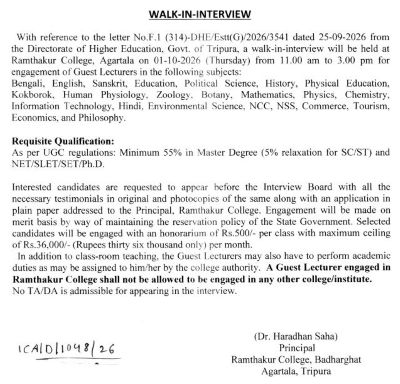 jpg
...
jpg
...
BE AWARE OF CYBER CRIME
STOP | THINK | VERIFY | REPORT
 jpg
...
jpg
...
সেবা সংকল্প অভিযান
(১৭ সেপ্টেম্বর, ২০২৬ - ১৯ অক্টোবর, ২০২৬)
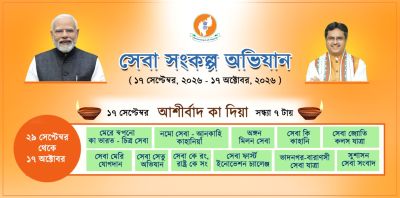 jpg
...
jpg
...
Schedule for TTAAD VC Election 2026
STATE ELECTION COMMISSION, TRIPURA
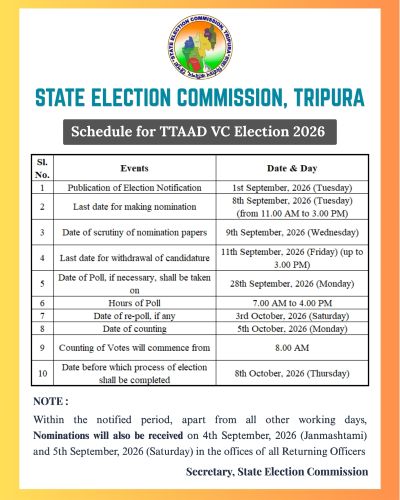 jpg
...
jpg
...
EDUCATIONAL NOTIFICATION FOR ADMISSION IN M. PHARM (PHARMACEUTICS) COURSE IN RIPSAT, AGARTALA FOR THE ACADEMIC YEAR 2026-27
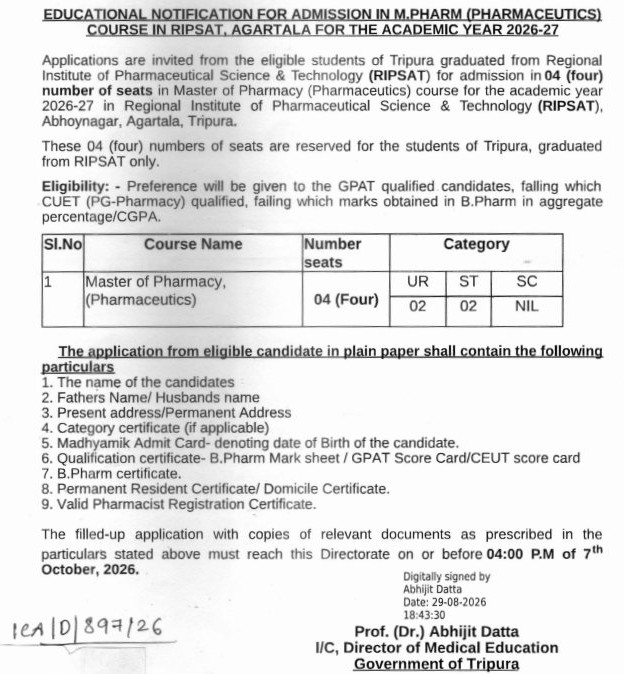 jpg
...
jpg
...
১৫ আগস্ট, ২০২৬ - ৮০ তম স্বাধীনতা দিবসে রাজ্যবাসীকে শুভেচ্ছা ও অভিনন্দন
 jpg
...
jpg
...
Notification: Re-opening of SAMARTH Portal for 3rd phase admission in 1st Sem in Govt. GDC for Academic Year 2026-27
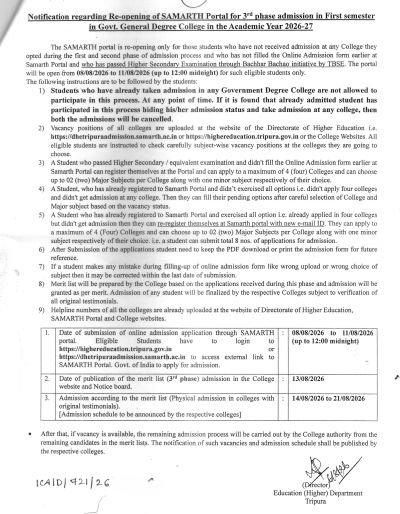 jpg
...
jpg
...
সংখ্যালঘু সম্প্রদায়ের বেকারদের ঋণ প্রদানের জন্য আবেদনপত্রের আহ্বান
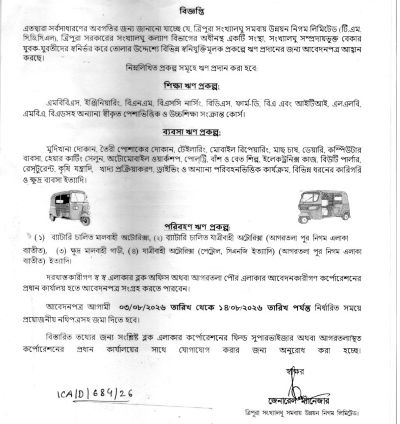 jpg
...
jpg
...
মুখ্যমন্ত্রী নিরাময় আরোগ্য অভিযান (দ্বিতীয় ধাপ)
 jpg
...
jpg
...
Inauguration of
State Level
MONSOON
MANGO FESTIVAL 2026
Government of Tripura
Department of Agriculture & Farmers' Welfare
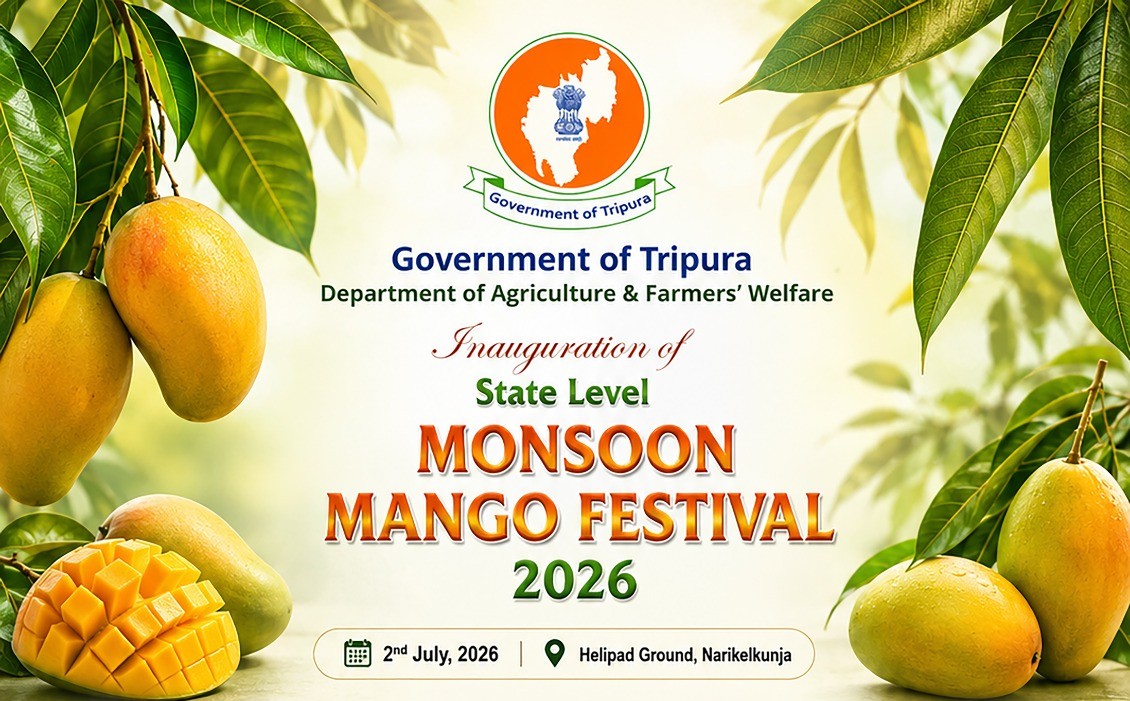 jpg
...
jpg
...
স্টার্টআপঃ 12 বছর বিশ্বাস, উন্নয়ন, জনকল্যাণের
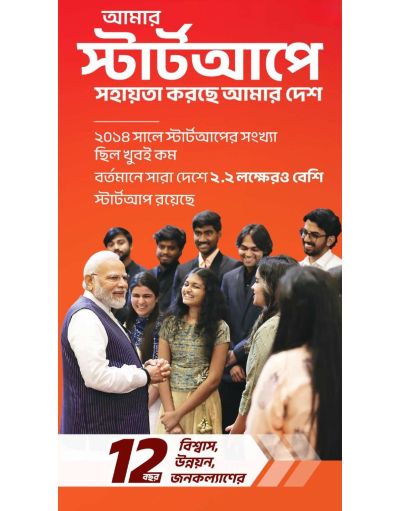 jpg
...
jpg
...
কাজী নজরুল ইসলামের
জন্মজয়ন্তীতে শ্রদ্ধাঞ্জলি
ত্রিপুরা সরকার
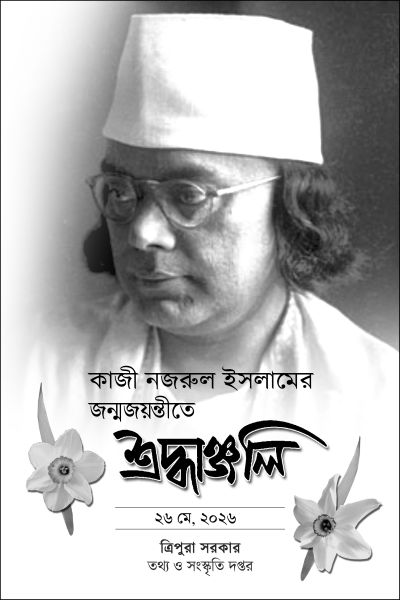 jpg
...
jpg
...
কবিগুরু রবীন্দ্রনাথ ঠাকুরের জন্মজয়ন্তীতে
শ্রদ্ধাঞ্জলি
২৫শে বৈশাখ, ১৪৩৩ (৯ মে, ২০২৬)
ত্রিপুরা সরকার
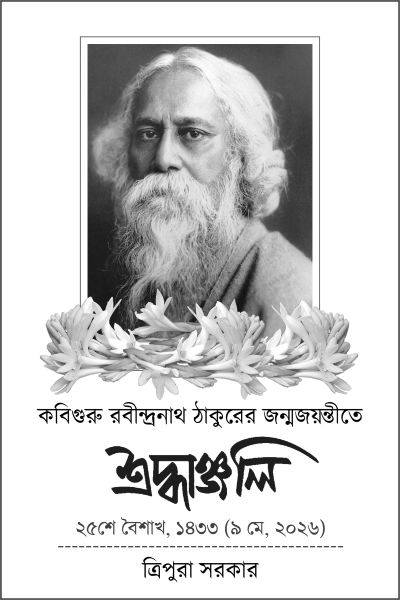 jpg
...
jpg
...
সূর্যের তাপকে প্রতিহত করুন
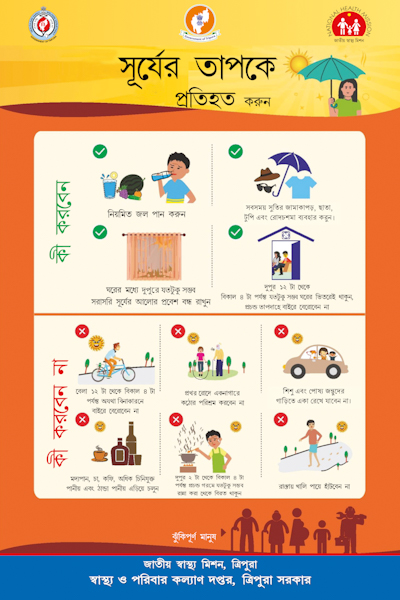 jpg
...
jpg
...
NOTIFICATION
SUPER 30 Selection Test-2026
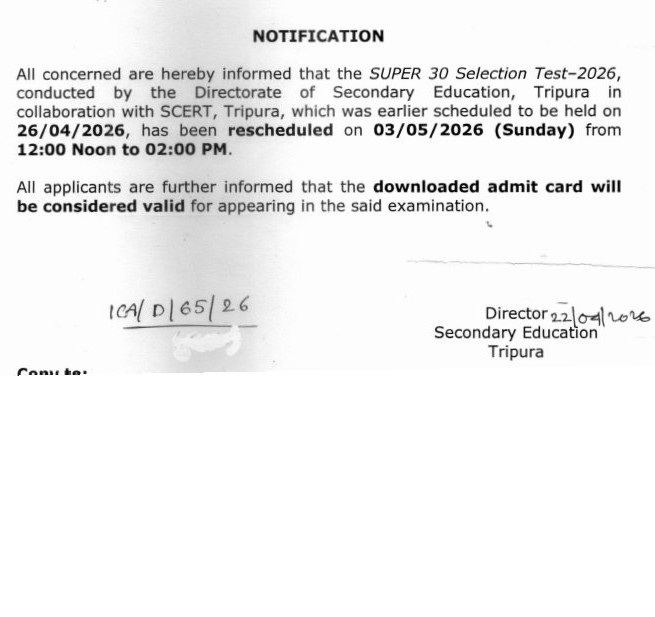 pdf
...
pdf
...
এইচপিভি (HPV) টিকাকরণ অভিযান
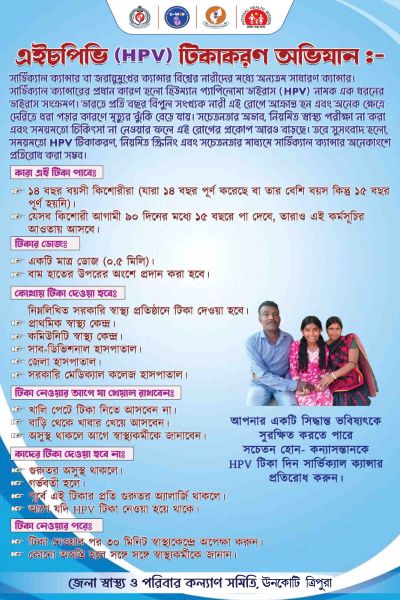 jpg
...
jpg
...
সন্ধান চাইঃ শ্রী মিহির কুমার আচার্জী
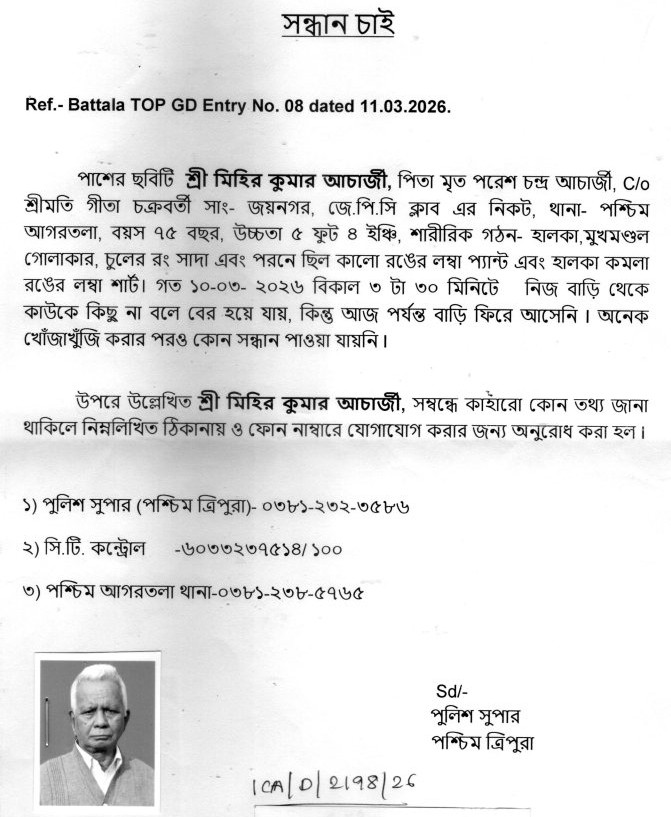 pdf
...
pdf
...
Recruitment Drive
প্রাইভেট কোম্পানীতে নিয়োগের জন্য
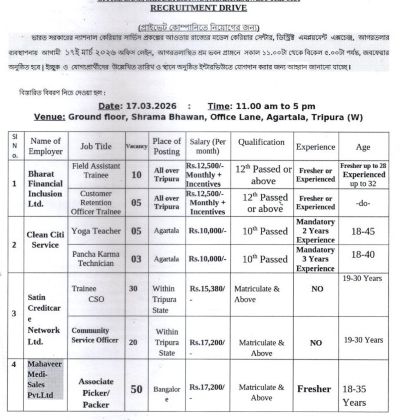 pdf
...
pdf
...
৫৫-তম জাতীয় সুরক্ষা দিবস ও জাতীয় সুরক্ষা মাস উপলক্ষে মাননীয় শ্রমমন্ত্রীর বার্তা
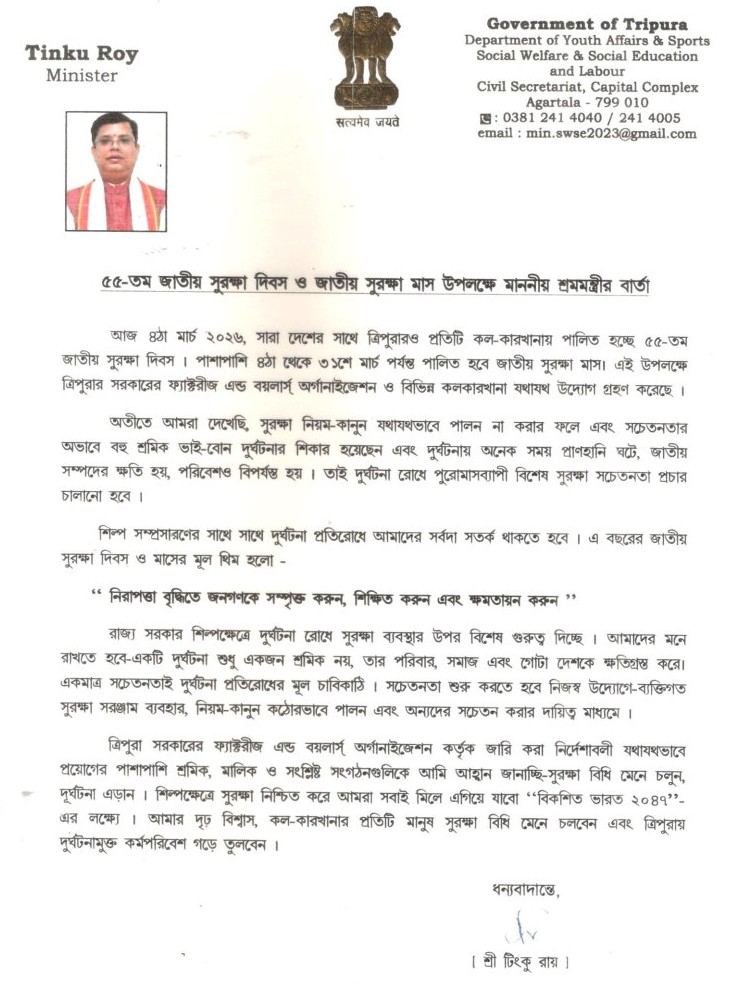 jpg
...
jpg
...
চিফ মিনিষ্টার জন আরোগ্য যোজনা-২০২৩ প্রকল্পের
২য় বর্ষ পূর্তি উপলক্ষে রাজ্য়ের
সমস্ত সুবিধাভোগীদের আন্তরিক অভিনন্দন
 jpg
...
jpg
...
প্রজাতন্ত্র দিবসে রাজ্যবাসীকে শুভেচ্ছা ও অভিনন্দন
_26.01.2026_Thumb.jpg) pdf
...
pdf
...
Inauguration and Foundation Stone Laying of 6 MDoNER projects by
Sh. Jyotiraditya M. Scindia
Hon'ble Union Minister, MDoNER
In presence of
Prof. (Dr.) Manik Saha
Hon'ble Chief Minister, Tripura
 pdf
...
pdf
...
২১ জানুয়ারী, ২০২৬
ত্রিপুরা পূর্ণরাজ্য দিবস
রাজ্য়বাসীকে শুভেচ্ছা ও অভিনন্দন
 jpg
...
jpg
...
৪৭ তম ককবরক দিবস-২০২৫ ইং

Margot Note is a successful American certified archivist, a certified records manager, an information governance professional, and a project management professional based in New York. She has rich academic exposure and experience in librarianship, archives and history. She is passionate about preserving the past and has over 25 years of experience in information domain in the national and international sectors.
Margot has taught in the graduate programmes in the American colleges and un...
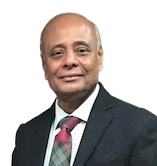
N V Sathyanarayana is a former librarian and a successful entrepreneur. He is the Founder Director of Informatics India Ltd, Bangalore, India – a leading information products and services company, established in 1980. Currently, he is the Chairman and Managing Director of the company. Sathyanarayana started his career as a librarian and worked in different institutions and agencies before promoting the company, his brainchild, which pioneered the introduction of international online database ac...

Sonali Patankar is the Founder of ‘Responsible Netism’- an initiative aimed at promoting cyber wellness and responsible online behaviour among children and adults. She holds a degree in Social Work from Nirmala Niketan College of Social Work, Mumbai and a Diploma in School Counselling from SNDT Women’s University, Mumbai.
‘Responsible Netism’ is a social purpose initiative committed to the cause of cyber wellness and child online protection working in Maharashtra, Goa and Madhya Pradesh....
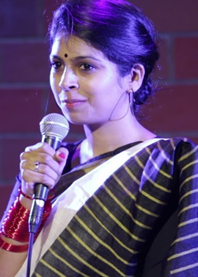
Mehak Mirza Prabhu is a Mumbai based storyteller, full-time writer, voice-over artist, performer, mentor, blogger, scriptwriter and social enthusiast. She creates fictional stories in multiple languages. She also runs an online story telling school, ‘Jhumritaliaya’. She has a huge fan following both online and offline. Her TEDx talk, “How Story Telling Saved Me,” is a true account of her life experiences. It has been highly appreciated online. Many of her stories are widely accessed on YouTube.<...